
Several types of hot water systems are available, each with unique features. For example, some are more energy efficient than others, and some are geared towards more specific applications, such as solar heating systems.
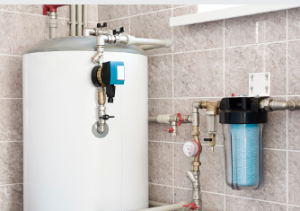 Storage-based hot water systems SA store large volumes of water in tank refilled as needed. They are the most common type of hot water system.
Storage Tanks
A storage tank for hot water systems SA can be a great way to store the clean, fresh water from your reverse osmosis system or other filter systems until you are ready to use it. They come in various sizes and specifications and can be used residentially, commercially, or for large-scale industrial or municipal enterprises.
Conventional storage tanks, also called tank water heaters, use natural gas, electricity, fuel oil, or propane to continuously heat water to keep an entire store of hot water ready. These tanks are North America’s most common type of hot water system.
However, the energy they consume to maintain their water temperature is high, requiring more space than other hot water systems. They are also more susceptible to leaks and rust than other hot water systems, so they should be professionally maintained regularly.
Alternatively, you can install a storage tank to utilise thermal stratification to improve the system’s efficiency and minimise energy losses. It is a process where the different temperatures of the water are held within the storage tank and where pains are taken to ensure that the water column in the tank remains vertically stratified.
This technique is very effective, mainly where solar or waste heat is also used to help heat the colder water layers in the storage tank. However, the stability of this stratification depends on several factors, including the inlet and outlet locations, the velocities of the water flows, and ambient heat loss through the cover.
Continuous Flow (Instantaneous) Systems
A continuous flow (instantaneous) system is a small unit that works on a gas or electrical system to heat hot water as you use it. These are more suitable for smaller households than storage tank systems and can be cheaper to run.
They also have a lower energy rating than storage systems, making running more cost-effective over time. They are also much more environmentally friendly than traditional hot water tanks because they don’t store hot water and only heat water as needed.
There are many different types of continuous-flow hot water systems. They can be powered by natural gas, LPG, electricity, or a combination. Some of the more popular options include Rinnai, Bosch, and Rheem.
These are all great options for supplying hot water in residential properties, as they are compact and easy to install. The only issue is that some of them will take up a lot of space in your home.
Continuous flow systems are more expensive to purchase than traditional hot water tanks, but they last twice as long, so the higher upfront costs are more than covered by the savings on your utility bills. They’re also more energy-efficient and produce less pollution.
A range of models are available, with some featuring fan-forced electronic ignition, so there is no need to relight pilot flames. Some also have a separate gas valve to control the amount of gas supplied to the heater.
Demand Circulation Systems
A demand circulation system is a hot water recirculation system that only circulates cooled water when needed. These systems are energy efficient and can reduce water waste by minimising the time that cold water is stored in the plumbing pipes before it is used.
The owner can operate these recirculating systems manually, or a switch, timer, or motion sensor can automatically activate them. When the system is activated, it sends cooled water from the hot water pipe back to the heater, where it can be reheated and reused.
Timers and temperature controls can control this recirculation process to minimise pump operation. This recirculation type also saves energy because it doesn’t have to run the pump continuously.
One of the most popular hot water recirculation systems is the Flow Control Recirculating System (also known as an Instant Hot Water Circulation System). These systems use a small pump to circulate cooled water through the hot water lines.
They are often installed in older homes or during the construction of new homes. This system allows for faster delivery of hot water to distant fixtures, but it has the downside of mixing hot and cold water in the hot water line.
Another option is a gravity-fed recirculation system, which uses the power of gravity to recirculate cooled water in hot water lines. This system is most efficient in homes with lower heat than hot water lines.
The biggest drawback to these systems is that they can be more expensive than demand recirculation systems because of the energy used to run the pump and reheat the hot water. Installing a timer is the best way to save money and energy with these systems.