
Plumbers install, repair and maintain the pipes and fixtures used to transport water, waste and natural gas. Their job requires strong listening skills to understand customer issues and find solutions. Many plumbers gain skills through an apprenticeship program combining classroom study with paid on-the-job experience.
Aligned-Plumbing systems are intricate, intricate systems that play a pivotal role in our everyday lives. Without plumbers, our access to clean drinking water, comfortable showers and bathtubs, and efficient kitchens would be severely limited.
Installation
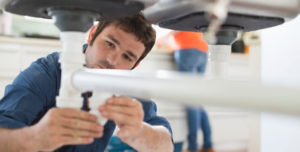 Plumbers install pipes and fixtures to facilitate water, gas and waste management in residential and commercial structures. It may involve installing bathtubs, sinks, toilets, faucets, dishwashers or water heaters – they may also repair and maintain existing plumbing systems.
Work in this industry typically entails replacing or repairing worn parts such as pipes, valves, washers, hoses and drain traps that have become damaged or worn over time. Soldering, crimping, tubing cutting metal skills must also be developed, as well as reading blueprints and adhering to building codes – this profession demands many skills!
As plumbing systems are essential to life, plumbers play an essential role in society. Their services ensure people have access to clean water and can effectively dispose of waste materials, protecting them from diseases threatening human health. Plumbers must possess excellent communication skills so that customers understand complex issues clearly while being able to identify and address problems quickly – particularly when working on older plumbing systems that don’t run as efficiently as more modern models and working around obstacles such as furniture.
Repair
Plumbers provide more than just installations of new plumbing systems – they also repair existing ones! It may involve clearing clogged drains, fixing leaky faucets or toilets, and helping reduce energy bills by suggesting water-saving devices like showerheads and washing machines.
Plumbers are integral in providing safe and healthy environments in homes and businesses. Their services ensure there is always enough clean drinking water available and that waste is disposed of appropriately. Without such essential services, people would likely consume unsafe water sources that pose health risks; hence, their work is critical in society.
Plumbers typically perform residential plumbing work. Plumbers must often work in tight quarters like basements and attics, sometimes crawling under sinks or through walls to reach pipes that run to them. Furthermore, they must understand blueprints to install new plumbing systems when constructing buildings.
Home maintenance requires plumbers to repair and inspect sewer lines regularly. Faulty sewer lines can lead to serious sewage backups that need professional assistance to be safe for use in the future. Plumbers specialising in this field can access the tools and knowledge necessary to carry out these services effectively and repair/replace sewer pipes if they become compromised.
Maintenance
Plumbing systems can be complex systems that rely on many fixtures and appliances that can break down or malfunction at any time, necessitating professional repairs as quickly as possible. Plumbers are skilled tradespeople with the skills required to quickly resolve a variety of plumbing problems such as clogged drains, sewer backups, leaky pipes, water heater installation/repair services, as well as installing/repairing domestic appliances like water heaters/hot water tanks etc. Plumbers possess strong problem-solving abilities and manual dexterity, working well in teams while reading blueprints/other technical documents to determine locations of pipes/fixtures/appliances etc.
Plumbers encounter potentially hazardous materials, including asbestos, lead, sewage waste and chemical solutions. To keep themselves safe from inhalation or contact exposure to such substances, they must wear protective clothing and masks when working around tools, heavy machinery and electricity.
Troubleshooting
Plumbing issues can be both frustrating and dangerous. Left unattended, clogged drains can damage homes and businesses; water leaks may destroy floors, ceilings, walls, furniture and floors and health risks like cholera or typhoid infection. Plumbers have the training to identify and resolve these problems effectively and quickly.
Hydro jetting may be used when standard tools can’t get rid of clogs in drains and pipes, such as shooting out high-pressure streams of water into pipes to break up and flush away clogs.