
Varicose veins can cause severe discomfort in your legs as well as lead to blood clots (DVT). Doctors usually recommend rest, elevating legs when sitting and wearing elastic support stockings to mitigate symptoms and help protect you.
There are two primary treatment methods for cysts, ligation, and stripping. Both techniques can be performed under either local or general anaesthesia. To know about varicose vein removal Adelaide medical coverage, click here.
Procedure
Varicose vein removal typically takes place as an outpatient procedure; you can typically go home the same day. General or spinal aesthesia may be administered, as per your doctor’s recommendations.
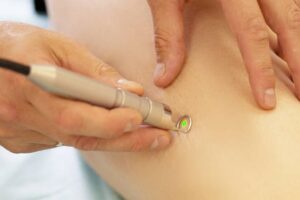 Your vein valves help ensure blood flows efficiently towards your heart, but if they become faulty or you experience too much pressure on them due to pregnancy or standing for extended periods, varicose veins can form and bulge beneath your skin. A medical professional can quickly identify varicose veins after conducting an exam on your legs.
Varicose veins can be treated using several strategies, including phlebectomy and endogenous ablation therapy. Phlebectomy involves your doctor making a small cut in the skin and inserting a tube containing a device designed to close off varicose veins; they may numb the area around your leg beforehand so you won’t experience much pain; just occasional needle pricks will likely be felt by you during this procedure.
Recovery
Varicose veins form when valves in your veins stop functioning correctly, allowing blood to collect in your leg veins and pool there, eventually causing swell. Usually, this condition is the result of defective veins or extra pressure put on them from standing for long periods, pregnancy or wearing tight shoes; alternative treatments often recommended by vein specialists include compressive wraps/stockings, elevating legs as well as avoiding long periods of standing or sitting.
If conservative options don’t help, your doctor may suggest other procedures to remove your varicose veins. The type of procedure used depends on their size, location and severity – procedures for smaller varicose veins called telangiectasias include simple laser therapy or ablation using radiofrequency energy; while larger varicose veins typically involve using catheter insertion into an enlarged vein and heat treatment with either radiofrequency energy or lasers to seal off its vein. To know about varicose vein removal Adelaide medical coverage, click here.
Complications
Varicose vein removal can help relieve symptoms related to varicose veins such as pain, swelling and skin ulcers (open sores). Unfortunately, however, it won’t prevent new varicose veins from forming.
Surgical options available to treat varicose veins range from those that simply close and remove affected veins, to more aggressive measures like wearing compression stockings or elevating legs while sitting or standing. Your physician may suggest beginning with conservative solutions like wearing compression stockings and elevating legs when sitting or standing as first steps towards healing varicose veins.
Sclerotherapy is a procedure in which your physician injects a solution into an affected vein to cause it to scar and close off, diverting bloodflower through healthier veins while the damaged one resorbs back into its surrounding tissue. This procedure can be completed in their office.
Transilluminated powered phlebectomy, which requires local anaesthesia, involves your doctor numbing the area before extracting a varicose vein through small cuts in your leg. Once this procedure has taken place, most often you’ll go home the same day.
Cost
Varicose vein removal can be costly. Thankfully, there are now effective and minimally invasive treatments available to patients – some even covered by health insurance!
Sclerotherapy is an increasingly popular approach for treating varicose veins, consisting of injecting a solution directly into an affected vein to irritate its lining and cause it to close and eventually fade away. To know about varicose vein removal Adelaide medical coverage, click here.
Thermal and adhesive ablation therapy offers another effective varicose vein solution, employing heat or glue (depending on which vein treatment option is selected) to close off diseased veins and divert blood flow to healthy veins. Usually requiring only one appointment and with minimal downtime afterwards, thermal, and adhesive ablation therapy offers effective varicose vein relief.
Surgical vein stripping and ligation is a more invasive procedure in which the great saphenous vein is tied off or removed via two small incisions near the groin. Although costly, this option should only be considered in severe cases of varicose veins.