
In the dynamic field of interior design, contemporary designers lead the charge, constantly innovating in aesthetics, functionality, and sustainability. Their groundbreaking methods not only redefine today’s living spaces but also establish fresh benchmarks for comfort, style, and efficiency. This article delves into how a contemporary interior designer pioneers new frontiers, reshaping our living environments.
Embracing Minimalism with a Purpose
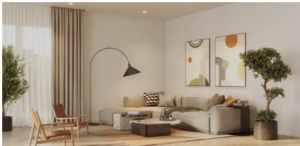 One of the most significant trends in contemporary interior design is the embrace of minimalism. This movement, characterised by clean lines, uncluttered spaces, and a neutral colour palette, emphasises the idea that less is more. Contemporary interior designers are adept at creating serene and functional environments by stripping away unnecessary elements and focusing on the essentials. This approach not only greatly enhances the aesthetic appeal of a space but also promotes a sense of calm and order, which is particularly valuable in today’s fast-paced world.
The Scandinavian Influence
Scandinavian design is a prime example of minimalism done right. Contemporary interior designers draw inspiration from this style to create spaces that are both beautiful and practical. Key elements significantly include the use of natural materials like wood and stone, a muted colour scheme, and an emphasis on natural light. By incorporating these elements, designers create harmonious living spaces that are inviting and relaxing.
Blending Functionality and Aesthetics
Another hallmark of contemporary interior design is the seamless integration of functionality and aesthetics. Gone are the days when a piece of furniture was either practical or beautiful. Today’s contemporary interior designers skillfully combine both aspects to create multifunctional pieces that are as pleasing to the eye as they are useful.
Innovative Furniture Design
A contemporary interior designer breaks boundaries with innovative furniture that serves multiple purposes. For instance, modular sofas that can be rearranged to suit different needs or coffee tables with hidden storage compartments are becoming increasingly popular. These designs not only save space but also add a layer of sophistication to the interiors.
Incorporating Technology
Technology is another area where contemporary interior designers are making significant strides. The full integration of smart home technology into design is no longer a novelty but a necessity. From automated lighting and climate control systems to smart kitchens and entertainment units, technology is seamlessly woven into the fabric of modern living spaces.
Smart Homes
Contemporary designers are creating smart homes that anticipate and respond to the needs of their inhabitants. For instance, lighting systems that adjust according to the time of day and occupancy or security systems that provide peace of mind while blending discreetly into the overall design are becoming standard features. This integration of technology not only enhances convenience but also improves the overall quality of life.
Sustainable Design Practices
As awareness of environmental issues grows, contemporary interior designers are increasingly focusing on sustainability. They are committed to creating eco-friendly spaces that effectively minimise environmental impact while maximising efficiency and comfort.
Use of Sustainable Materials
One of the ways designers are achieving this is through the use of sustainable materials. Reclaimed wood, recycled metal, and low-VOC (volatile organic compounds) paints are just a few examples of materials that are gaining popularity. These materials not only reduce the carbon footprint but also add a unique character to the interiors.
Tailored Design Solutions
Designers work closely with clients to thoroughly understand their needs and aspirations. This collaborative approach significantly ensures that the final design is not only visually appealing but also highly functional and personalised. From custom-built furniture to bespoke artwork, every element is carefully chosen to create a space that is uniquely suited to the client.
Conclusion
Contemporary interior designers are truly breaking boundaries and redefining what modern living spaces can be. Through their innovative use of minimalism, technology, sustainability, cultural fusion, and personalisation, they are creating environments that are not only beautiful but also functional and sustainable. As they continue to push the envelope, the future of interior design looks incredibly promising, with living spaces that enhance our quality of life in ways we never thought possible.
By embracing these forward-thinking approaches, a contemporary interior designer not just keeps up with the times—they are shaping the future of how we live, work, and interact within our homes. Their work is a testament to the power of design to transform and elevate our everyday experiences, making the spaces we inhabit more harmonious, efficient, and inspiring.