
When planning a landscaping project in Adelaide, understanding the various factors that influence the overall cost is crucial. The landscaping cost can vary widely depending on several elements, ranging from the size of the area to the type of materials used. Here are the top 10 factors that can significantly affect the cost of your landscaping project.
Size of the Area
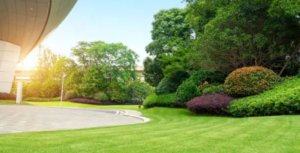 The size of the area to be landscaped is one of the most significant determinants of the total cost. Larger areas require more materials, labour, and time to complete. Whether you are designing a small garden or a sprawling backyard, the size will directly impact the amount of resources needed, thereby influencing the landscaping cost. Additionally, larger areas may also require more extensive planning and design work, which can further increase costs.
Complexity of the Design
The complexity of your landscaping design can also play a substantial role in the cost. Simple designs with minimal features, such as basic lawn care or a small flower bed, will cost less than intricate designs that include water features, retaining walls, or custom lighting. The more complex the design, the higher the landscaping cost due to the increased labour and expertise required. Complex designs often necessitate specialised equipment and techniques, adding to the overall expense.
Type of Materials
The choice of materials can dramatically influence the overall landscaping cost. Natural stone, high-quality wood, and premium plants will cost more than concrete, synthetic materials, or standard plants. Additionally, imported materials or rare plant species can further drive up the cost. Selecting sustainable or eco-friendly materials may also impact the budget, though these choices can offer long-term benefits, including reduced maintenance and environmental impact.
Labor Costs
Labour is another critical component of the total landscaping cost. Skilled labour, such as that provided by experienced landscapers or specialised professionals, can be more expensive but often ensures higher quality work. The cost of labour can also vary depending on the region and the availability of skilled workers. In some areas, the demand for skilled landscapers may drive up labour costs, while in others, competitive pricing may keep costs lower.
Soil Quality and Preparation
The condition of the soil in the area to be landscaped can affect the cost. Poor soil quality may require additional preparation, such as grading, fertilising, or adding topsoil, all of which can increase the landscaping cost. Areas with good soil quality may reduce the need for extensive preparation, thereby lowering costs. Soil testing and amendments might be necessary to ensure the success of the plants and features, adding to the initial investment but potentially saving money in the long run.
Irrigation System Installation
Installing an irrigation system is often a necessary part of landscaping, especially for larger projects. The type of irrigation system, whether it’s a basic sprinkler setup or a more advanced drip irrigation system, will impact the overall landscaping cost. More sophisticated systems generally require more investment but can offer long-term savings in water usage. Proper irrigation ensures that plants thrive and reduces the need for manual watering, which can be labour-intensive and costly over time.
Permits and Regulations
Depending on the scope of your project, you may significantly need to obtain permits or adhere to local regulations. For example, building retaining walls, installing large water features, or making significant alterations to the landscape might require permits. The cost of obtaining these permits and significantly ensuring compliance with local regulations can add to the total landscaping cost. Navigating the permitting process can be time-consuming, and hiring a professional to handle this aspect may add to the expenses but can prevent costly fines or project delays.
Maintenance Requirements
The long-term maintenance requirements of your landscape design should also be considered. Some designs significantly require more upkeep than others, which can increase the overall landscaping cost over time. For instance, a garden with exotic plants or a complex irrigation system may require regular maintenance, adding to the cost. Investing in low-maintenance plants and features can reduce ongoing expenses and make the landscape easier to care for, offering savings in the long run.
Conclusion
Understanding the factors that influence the landscaping cost is essential for effective budgeting and planning. By considering elements such as the size of the area, the complexity of the design, the type of materials, and labour costs, you can better estimate the total cost of your landscaping project. Being aware of these factors will help you make informed decisions and create a beautiful, functional outdoor space that fits your budget. Additionally, working with experienced professionals and planning for long-term maintenance can help ensure the success and longevity of your landscaping investment in Adelaide.