
Auditory Processing Disorder (APD) is a complex condition that affects how the brain processes auditory information. For children with APD, sounds may be heard normally, but the brain struggles to make sense of them. It can lead to difficulties in understanding spoken language, following directions and filtering out background noise. Recognising and effectively managing APD is crucial for helping children thrive in both academic and social settings. Here, we will explore several effective strategies for managing auditory processing disorder in children.
Understanding Auditory Processing Disorder
 Before diving into management strategies, it’s essential to understand what APD entails. Children with APD may exhibit a range of symptoms, including:
- Difficulty following verbal instructions
- Frequent requests for repetition
- Problems distinguishing similar sounds
- Challenges in understanding speech in noisy environments
Early diagnosis and intervention are critical, as these difficulties can affect a child’s academic performance and self-esteem. The following strategies can help mitigate these challenges and foster better auditory processing skills.
Consultation with Professionals
The first step in managing APD is to consult with professionals, including audiologists and speech-language pathologists. These specialists can perform detailed assessments to diagnose APD accurately and develop individualised treatment plans tailored to the child’s specific needs. Early intervention can lead to more effective outcomes, so seeking help promptly is essential.
Use of Assistive Technology
Assistive technology can significantly aid children with APD in their daily interactions. Devices like frequency-modulated (FM) systems amplify the teacher’s voice in noisy classrooms, making it easier for children to focus on spoken instructions. Personal listening devices and apps designed to enhance sound clarity can also be beneficial, particularly in distracting environments.
Creating a Structured Learning Environment
A structured and calm learning environment can greatly support children with auditory processing difficulties. Here are some ways to create such an environment:
- Reduce Background Noise: Minimise distractions by ensuring quiet spaces for learning and listening.
- Use Visual Aids: Incorporate charts, diagrams, and written instructions alongside verbal communication. Visual cues can help reinforce understanding.
- Establish Routines: Consistent routines help children anticipate what comes next, reducing anxiety and improving focus.
Enhanced Communication Techniques
Improving communication between parents, teachers, and children with auditory processing disorder can foster better understanding and support. Here are some effective communication strategies:
- Speak Clearly and Slowly: Articulate words clearly and avoid rapid speech. It gives the child time to process information.
- Check for Understanding: After giving instructions, ask the child to repeat them. It ensures they have grasped the information correctly.
- Use Simple Language: Break down complex information into manageable parts and use simple language to convey key points.
Incorporating Multi-Sensory Learning
Children with APD often benefit from multi-sensory learning techniques, which engage multiple senses simultaneously. Activities that incorporate visual, auditory, and kinesthetic learning can help reinforce understanding. Examples include:
- Hands-on Activities: Use manipulatives or interactive projects to illustrate concepts.
- Games and Songs: Utilise rhythm and melody to make learning more engaging and memorable.
- Storytelling with Props: Enhance listening skills through storytelling sessions that include visual aids and physical objects.
Fostering Self-Advocacy Skills
Empowering children with APD to advocate for themselves is crucial. Teaching them to express their needs and preferences can boost their confidence. Here are ways to promote self-advocacy:
- Encourage Open Communication: Create an environment where children feel comfortable discussing their challenges.
- Role-Playing Scenarios: Practice how to ask for help or clarification in different settings, such as at school or during group activities.
- Provide Educational Resources: Equip children with information about APD so they can explain their condition to peers and teachers when needed.
Engaging in Auditory Training Exercises
Auditory training exercises can help strengthen auditory processing skills over time. Some effective exercises include:
- Sound Discrimination Games: Engage in activities that require children to differentiate between various sounds, such as clapping rhythms or identifying different musical instruments.
- Listening Comprehension Activities: Use audiobooks or podcasts followed by discussions to enhance listening and comprehension skills.
- Phonemic Awareness Activities: Practice recognising and manipulating sounds in words through fun games and exercises.
Conclusion
Managing auditory processing disorder in children requires a multifaceted approach that encompasses professional support, communication strategies, environmental adjustments, and self-advocacy. By implementing these effective strategies, parents, educators, and specialists can work together to create a supportive framework that empowers children with APD to thrive academically and socially. With the right tools and understanding, children with APD can overcome challenges and unlock their full potential.
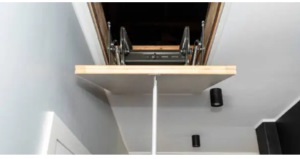 One of the primary benefits of consulting roof access hatches experts is ensuring safety and compliance with industry standards. Roof access hatches must adhere to strict safety regulations to prevent accidents and injuries. Experts are well-versed in these regulations and can guide the best practices for installation and maintenance. They can also conduct thorough inspections to identify potential hazards and recommend necessary upgrades or repairs. By prioritising safety and compliance, you can protect your workers, tenants, and visitors from potential risks.
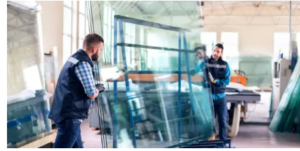 When dealing with glass repair, time is of the essence. Look for services that significantly offer quick response times, especially if you’re facing a situation that poses security risks or exposure to the elements. Ideally, opt for companies that provide 24/7 emergency services, ensuring that immediate help is just a phone call away whenever you need it.
 Why Opt for Wedding Party Hire?
 Types of Laundry Services
 Daikin reverse cycle air conditioners are complex systems that require precise installation to function at their best. Professional installers are well-trained and experienced in handling these units, ensuring that each component is correctly placed and connected. This meticulous attention to detail guarantees that your air conditioner will operate efficiently, providing the comfort you expect without unnecessary energy consumption.
 One of the most significant trends in contemporary interior design is the embrace of minimalism. This movement, characterised by clean lines, uncluttered spaces, and a neutral colour palette, emphasises the idea that less is more. Contemporary interior designers are adept at creating serene and functional environments by stripping away unnecessary elements and focusing on the essentials. This approach not only greatly enhances the aesthetic appeal of a space but also promotes a sense of calm and order, which is particularly valuable in today’s fast-paced world.
 First and foremost, an experienced family lawyer brings specialised knowledge and expertise to the table. Family law encompasses a wide range of legal issues, including divorce, child custody, adoption, domestic violence, and more. Each of these areas requires a deep understanding of not only the legal statutes but also the practical implications and potential challenges that can arise.
 Why Hire Professional Shed Installers?