
Farmers have always sought methods to improve crop preservation and ensure optimal feed quality for their livestock. One of the most recent innovations in this field is the use of green silage film, a highly effective solution for preserving silage, which is critical for maintaining the nutritional value of crops, especially in the off-season. As the agricultural industry in Australia continues to evolve, more and more farmers are making the switch to green silage film for its numerous benefits, including improved preservation, cost efficiency, and environmental advantages.
What Is Green Silage Film?
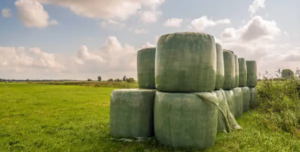 Green silage film is a specialised plastic film used in the storage of silage, which is fermented, high-moisture fodder used to feed livestock, particularly cattle. The film is designed to cover silage heaps or bales, ensuring that air is excluded and that the silage remains tightly sealed. It is crucial because, in the absence of air, the fermentation process that occurs within the silage can be controlled, resulting in higher-quality, more nutritious feed.
The green colour of the film is not just for aesthetics; it plays a role in blocking UV rays and protecting the silage from light, which can cause spoilage. The material is typically made of polyethylene, offering durability and resistance to tearing. Green silage film is available in both stretch film (for wrapping silage bales) and large roll sheets for covering silo piles or pits.
Improved Preservation and Feed Quality
One of the primary reasons farmers are making the switch to green silage film is its ability to preserve feed quality more effectively than traditional methods. Silage preservation is vital for maintaining the nutritional content of crops like maise, ryegrass, and alfalfa, ensuring livestock receive high-quality feed throughout the year.
Green silage film creates an airtight environment around the silage, reducing the exposure to oxygen that can lead to the growth of unwanted microorganisms. Without this protective barrier, silage can quickly spoil, losing its nutrient value, which directly affects animal health and farm productivity. By using green silage film, farmers are able to extend the shelf life of their silage, ensuring that their livestock have access to high-quality feed for months after harvest.
Moreover, green silage film helps preserve the sugars in the silage, which are key to fermentation. The film ensures that the fermentation process takes place under optimal conditions, resulting in a more digestible and nutrient-rich product. It leads to better animal health, improved milk production, and enhanced growth rates for meat animals, ultimately boosting farm profitability.
Environmental Benefits of Green Silage Film
Another significant reason farmers are switching to green silage film is its environmental benefits. As the agricultural sector increasingly embraces sustainability, the use of materials that minimise environmental impact is gaining popularity. Green silage film is designed to be environmentally friendly, as it reduces the need for chemical preservatives and artificial additives that are commonly used in silage preservation.
The film’s UV-resistant properties ensure that it effectively blocks sunlight, helping to prevent the growth of harmful bacteria and fungi in silage. By reducing the need for chemical treatments, farmers are not only improving the quality of their silage but are also making a positive impact on the environment.
Additionally, many green silage films are now available in recyclable or biodegradable options, making them a more sustainable alternative to traditional plastic films. It is an important consideration for farmers looking to reduce their environmental footprint and comply with stricter environmental regulations. By using green silage film, farmers are contributing to the reduction of plastic waste and promoting more sustainable farming practices.
Conclusion
Farmers in Australia are increasingly turning to green silage film as a more effective, cost-efficient, and sustainable solution for preserving their crops. Its ability to extend the shelf life of silage, improve feed quality, and reduce waste has made it a popular choice in modern farming practices. With environmental sustainability becoming more important, green silage film also offers farmers an eco-friendly alternative that aligns with the growing demand for sustainable agricultural practices.
The switch to green silage film represents an important step forward in the evolution of crop preservation methods, providing farmers with the tools they need to boost productivity, enhance animal health, and contribute to a more sustainable agricultural industry. As this innovative film continues to gain popularity, its role in modern farming is set to grow, offering even more benefits to farmers around the world.