Stockinette Bags Australia’ The Complete Guide to Uses, Benefits, and Where to Buy in 2026

stockinette bags

Stockinette bags are becoming an essential packaging solution across Australia’s agriculture, seafood, and industrial sectors. Whether you are handling fresh produce, transporting seafood, or protecting mechanical parts during storage, stockinette bags offer a lightweight, breathable, and cost-effective option that reduces waste and improves product safety. As Australian businesses increasingly prioritise efficiency and sustainability, demand for this simple yet versatile material continues to grow across supply chains nationwide.

From farmers in rural Queensland to seafood processors in Tasmania and logistics companies in Sydney, stockinette mesh packaging has become a practical alternative to heavier plastic wrapping and rigid containers. This guide explores how they are used, why they are in demand, and what buyers in Australia should know before purchasing.

What Are Stockinette Bags and Why Are They Popular?

Stockinette bags are tubular mesh sleeves made from knitted polyethylene or similar synthetic fibres. Their stretchable structure allows them to expand around irregular-shaped items such as fruit, vegetables, or industrial components.

In Australia, stockinette bags are widely used because they provide:

● Excellent airflow to reduce moisture buildup

● Lightweight handling for bulk packaging

● Cost efficiency for large-scale operations

● Protection against abrasion and surface damage

These benefits make them especially popular in agriculture and food distribution sectors, where freshness and ventilation are critical.

Key Uses Across Australian Industries

One of the reasons stockinette bags are in high demand is their versatility. They are used across multiple industries, each benefiting from their unique structure and durability.

1. Agriculture and Fresh Produce

Fruit growers use stockinette mesh bags to protect produce like citrus, avocados, and apples during sorting and transport. The breathable design helps prevent mould and condensation buildup during long-distance shipping across Australia’s vast supply routes.

2. Seafood Processing

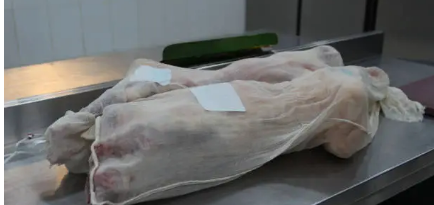
In coastal regions such as Western Australia and Tasmania, seafood processors use stockinette bags for storing shellfish and other fresh catches. The mesh allows drainage and airflow, preserving quality before distribution.

3. Industrial and Automotive Applications

Manufacturers also rely on stockinette bags to protect metal parts, tools, and machined components from scratches and dust during storage or export.

Benefits Driving Demand in Australia

The increasing use of stockinette packaging in Australia is driven by both practical and environmental factors. Businesses are shifting toward materials that reduce packaging waste while maintaining product integrity.

Key benefits include:

● Reusability in some applications

● Reduced plastic usage compared to sealed packaging

● Improved airflow for perishables

● Flexibility for irregular-shaped items

These advantages make stockinette bags a smart choice for companies looking to balance efficiency with sustainability goals.

Stockinette Bags and Sustainability Trends

Australia’s packaging industry is undergoing a significant shift toward eco-conscious solutions. While stockinette bags are typically made from synthetic fibres, their lightweight nature reduces overall material usage compared to rigid alternatives.

Many suppliers now offer recyclable or reusable versions designed to support circular economy practices. Businesses that use stockinette bags can also reduce spoilage rates, indirectly lowering food waste across supply chains—an important factor in Australia’s sustainability targets.

Choosing the Right Stockinette Bags in Australia

Selecting the right type of stockinette packaging depends on your industry and application needs. Buyers should consider:

● Mesh size: finer mesh for small produce, wider mesh for bulk items

● Strength rating: heavy-duty options for industrial use

● Length and width: custom sizing for specific products

● Material quality: UV resistance for outdoor storage conditions

Australian suppliers often provide both standard and custom options to suit agricultural exporters, wholesalers, and manufacturers.

Where Businesses Source Stockinette Bags in Australia

Across Australia, stockinette bags are typically sourced through industrial packaging suppliers, agricultural wholesalers, and online packaging distributors. Many businesses prefer bulk ordering to reduce per-unit cost and ensure a consistent supply during peak harvest or production seasons.

In major distribution hubs such as Melbourne, Brisbane, and Perth, suppliers often stock a wide range of mesh packaging products suitable for various industries. Local sourcing also helps reduce shipping times and supports regional supply chains.

Future Outlook for Stockinette Packaging

The future of stockinette bags in Australia looks strong, particularly as industries continue to prioritise lightweight, breathable, and cost-effective packaging solutions. With increasing pressure to reduce packaging waste and improve logistics efficiency, stockinette mesh is expected to remain a staple in agriculture and industrial sectors.

Innovation is also driving improvements in material strength and recyclability, meaning future versions will likely offer even greater sustainability benefits.

Final Thoughts

Stockinette bags may seem simple, but their impact across Australia’s supply chains is significant. From preserving fresh produce to protecting industrial goods, they offer practical solutions that balance performance, cost, and environmental responsibility.

As demand continues to rise, businesses that adopt efficient packaging, such as stockinette bags, will be better positioned to reduce waste, improve product quality, and streamline operations in an increasingly competitive market.

Pallet Freezer Spacers’ Maintenance Guide for Australian Cold Storage Facilities1

pallet freezer spacers

In the fast-paced cold storage and logistics sector, maintaining equipment efficiently is crucial for both operational safety and product integrity. Among these essential tools, pallet freezer spacers play a pivotal role in ensuring proper airflow, product separation, and structural stability in freezers and cold rooms. For Australian cold storage facilities, following a structured maintenance routine for pallet freezer spacers is vital, not only to maximise their lifespan but also to comply with food safety regulations under the Food Standards Australia New Zealand (FSANZ) framework.

Why Maintenance of Pallet Freezer Spacers Matters

Pallet freezer spacers are designed to keep pallets elevated, allowing cold air to circulate effectively around stored goods. Without regular maintenance, these spacers can become compromised due to wear and tear, moisture exposure, or accidental damage during forklift operations. Neglecting their upkeep can lead to uneven cooling, frozen product spoilage, and even potential workplace hazards.

In Australia, where temperatures in industrial freezers can reach extreme lows, the durability and performance of pallet freezer spacers are even more critical. Facilities in regions like Victoria, New South Wales, and Queensland need to ensure that these spacers maintain structural integrity under heavy loads and repeated use.

Routine Cleaning and Inspection

One of the first steps in maintaining pallet freezer spacers is establishing a routine cleaning schedule. In Australian cold storage environments, spacers are frequently exposed to frost, ice, and food product residue. Regular cleaning prevents the buildup of ice and debris, which can compromise spacer functionality and sanitation standards.

● Cleaning Materials: Use non-abrasive brushes and food-safe disinfectants suitable for freezer conditions. Avoid harsh chemicals that may degrade the plastic or metal used in the spacers.

● Inspection: After cleaning, carefully inspect each spacer for cracks, warping, or other damage. Even minor defects can worsen over time under heavy pallet loads.

● Frequency: Depending on usage intensity, inspections should occur weekly for high-traffic cold storage areas and monthly for less frequently used spaces.

By implementing these cleaning and inspection protocols, Australian cold storage facilities can reduce operational risks and maintain compliance with local workplace safety standards.

Repair and Replacement Guidelines

While some pallet freezer spacers can withstand extensive use, no equipment is entirely indestructible. Developing a clear protocol for repair and replacement is essential. Minor cracks or worn edges can sometimes be repaired using food-safe adhesives or reinforcements. However, for any spacers showing structural compromise, replacement is the safest option.

Australian suppliers of pallet freezer spacers often recommend promptly replacing damaged spacers to avoid disruptions to warehouse operations. Facilities managers should maintain an inventory of spare spacers to allow immediate swaps, minimising downtime during maintenance cycles.

Storage and Handling Practices

Proper storage and handling are as important as cleaning and inspection. Pallet freezer spacers should be stored in a dry, temperature-controlled area when not in use. Avoid stacking them under excessive weight, as deformation can occur. Additionally, forklifts and pallet jacks should handle spacers with care to prevent accidental cracking or chipping.

For Australian operations, where humidity levels can vary significantly between coastal and inland regions, monitoring storage conditions helps prevent material degradation. Implementing a standard operating procedure for handling spacers ensures consistent performance across all storage zones.

Training and Staff Awareness

A critical aspect of maintaining pallet freezer spacers in Australian cold storage facilities is staff training. Employees must understand the importance of regular inspections, proper cleaning techniques, and correct handling procedures. By integrating maintenance responsibilities into daily operations, facilities can extend the life of their spacers and reduce safety risks.

Facilities may consider periodic refresher training sessions, particularly when introducing new spacer models or updating safety protocols. Clear labelling of spacer types and designated usage zones also helps staff quickly identify damaged or unsuitable units.

Compliance and Regulatory Considerations

Australian cold storage facilities must adhere to food safety and workplace health regulations. FSANZ provides guidelines on hygiene and equipment maintenance, while SafeWork Australia sets standards for employee safety in industrial environments. Maintaining pallet freezer spacers in accordance with these standards ensures that facilities not only protect stored goods but also reduce liability risks.

Regular audits and maintenance records are recommended. Documenting spacer inspections, repairs, and replacements can demonstrate compliance during safety inspections or audits by regulatory authorities.

Extending the Lifespan of Pallet Freezer Spacers

Proactive maintenance strategies are the most effective way to extend the lifespan of pallet freezer spacers. In addition to cleaning, inspection, and proper handling, facilities can adopt the following best practices:

● Rotate spacers regularly to balance wear.

● Avoid overloading pallets beyond the recommended weight capacity.

● Monitor freezer humidity to prevent ice buildup.

● Partner with reputable Australian suppliers for high-quality, durable spacers.

By implementing these practices, cold storage operators can maximise the return on investment in pallet freezer spacers while maintaining operational efficiency.

Conclusion

For Australian cold storage facilities, pallet freezer spacers are more than simple tools—they are essential components that ensure food safety, operational efficiency, and workplace safety. Adopting a comprehensive maintenance guide that includes regular cleaning, inspection, repair, proper storage, and staff training will prolong the life of spacers and reduce downtime. By following these guidelines and staying compliant with local regulations, Australian operators can maintain optimal freezer performance and safeguard the quality of stored goods.

Bale Wrap’ Essential Guide for Australian Farmers to Preserve Feed Quality

bale wrap

For Australian farmers, maintaining high-quality feed for livestock is a year-round challenge, particularly in regions with fluctuating weather patterns, such as New South Wales, Victoria, Queensland, and South Australia. One of the most effective ways to preserve hay and silage is bale wrap. By using bale wrap, farmers can protect valuable feed from moisture, pests, and spoilage, ensuring consistent nutrition for livestock while reducing waste. Whether you manage cattle, sheep, or goats, understanding the benefits and best practices of bale wrap is essential for modern Australian agriculture.

Why Australian Farmers Choose Bale Wrap

Bale wrap is a stretchable plastic film used to encase round or square bales of hay or silage. In Australia’s diverse climate, feed can quickly degrade if left exposed to rain, humidity, or strong sun. Bale wrap acts as a barrier, preserving the nutritional value of the forage for months. Many Australian farmers prefer bale wrap to traditional storage methods because it enables flexible outdoor storage, eliminating the need for costly sheds or barns. Additionally, bale wrap reduces dry matter loss and prevents mould growth, both of which are crucial for livestock health.

Regions like Queensland, where heavy summer rains can rapidly spoil hay, benefit immensely from bale wrap. Similarly, in Victoria and South Australia, where winter moisture can lead to silage fermentation issues, proper bale wrapping helps keep feed fresh and palatable. Choosing the correct type and thickness of bale wrap is important, as it must withstand local weather conditions and provide a secure seal for long-term storage.

Types of Bale Wrap for Australian Conditions

Australian farmers have access to several types of bale wrap, each suited for different purposes:

1. Standard Stretch Film: Commonly used for general hay and silage bales. It provides a reliable barrier against rain and insects.

2. UV-Resistant Wrap: Designed to withstand prolonged sun exposure, particularly beneficial for Northern Australian regions with intense sunlight.

3. Silage-Specific Wrap: Provides enhanced airtight sealing to promote anaerobic fermentation, a critical step in producing high-quality silage.

Selecting the right bale wrap depends on the forage type, intended storage duration, and local environmental conditions. Consulting local agricultural suppliers can help farmers identify the optimal product for their specific needs.

Best Practices for Using Bale Wrap

To maximise the benefits of bale wrap, Australian farmers should follow a few key practices:

● Prepare the Bales: Ensure hay or silage is at the correct moisture level before wrapping. Too wet, and mould may develop; too dry, and fermentation may be insufficient.

● Wrap Tightly: Apply the film evenly and stretch adequately to eliminate air pockets. This ensures a proper seal and prevents spoilage.

● Stack Strategically: Place wrapped bales on elevated ground or pallets to prevent waterlogging and ensure proper drainage.

● Monitor Storage: Check bales periodically for punctures or damage to the wrap, repairing them promptly to maintain feed quality.

These steps are especially important in regions like New South Wales and Queensland, where seasonal rainfall can be unpredictable, and in southern states, where winter frost and moisture can compromise silage.

Environmental Considerations

While bale wrap is highly effective, Australian farmers are increasingly conscious of its environmental impact. Most bale wrap is made from recyclable polyethylene, and local recycling programs are becoming more accessible in major agricultural areas. Additionally, some suppliers offer biodegradable options that break down naturally over time. Farmers can further reduce environmental impact by reusing wrap where possible and ensuring damaged film is collected and disposed of responsibly.

Cost-Effectiveness and Supplier Options in Australia

Investing in quality bale wrap can be cost-effective in the long run. By reducing dry matter losses and preventing spoilage, farmers can save significantly on feed costs. Several Australian suppliers specialise in bale wrap products, including agricultural stores and online distributors offering competitive pricing and bulk options. In regions like Victoria and South Australia, local co-operatives often guide the best wrap for specific forage types and storage conditions.

Conclusion

For Australian farmers, bale wrap is more than a protective covering—it is a vital tool for maintaining feed quality, reducing waste, and supporting livestock health. By selecting the right type of wrap, applying it correctly, and following environmentally responsible practices, farmers across the country can ensure their hay and silage remain nutritious and safe year-round. Whether managing small-scale farms in Queensland or large grazing operations in South Australia, bale wrap remains a practical and reliable solution for modern Australian agriculture.

Silage Covers in Australia’ Ensuring Feed Quality and Farm Efficiency in Harsh Climate Conditions

silage covers

Australia’s agricultural industry is no stranger to the challenges of unpredictable weather, from searing heat waves to torrential rains. For farmers who rely on livestock production, ensuring a consistent, high-quality feed supply is crucial—and that’s where durable silage covers play a vital role. These protective barriers are designed to preserve silage — a fermented feed made from crops like corn, sorghum, or grasses — keeping it nutritious and fresh for a longer period. In Australia’s diverse and often harsh climate, choosing the right silage cover can mean the difference between profit and loss for many farming operations.

The Importance of Silage Protection in Australian Agriculture

Silage is one of the most valuable feed resources in Australia, particularly for dairy and beef producers in regions like Victoria, New South Wales, and Queensland. When properly stored and protected, silage can provide year-round nutrition, even during drought or periods of limited pasture growth. However, poor storage practices or substandard covers can lead to significant feed spoilage and nutrient loss.

High-quality silage covers prevent air and moisture infiltration, which are the primary causes of mould growth and spoilage. By maintaining an oxygen-free environment, these covers support fermentation, preserving silage’s nutritional integrity and palatability. For Australian farmers facing fluctuating environmental conditions, investing in a durable cover is not just a matter of convenience — it’s a matter of sustainability and profitability.

In the same way that an IT services company helps protect data and systems from external threats, silage covers safeguard farmers’ feed investments from environmental exposure. Both are essential layers of protection — one for digital assets, and the other for agricultural resources.

What Makes Silage Covers Durable?

Durability is the defining feature of any reliable silage cover, particularly in Australia’s climate. Exposure to intense UV radiation, high winds, and heavy rains requires materials that can withstand the elements without tearing, cracking, or degrading over time.

Modern silage covers are often made from multi-layer polyethylene films, combining strength with flexibility. The outer layer is typically UV-stabilised to resist sunlight damage, while the inner layers provide puncture resistance and excellent oxygen barrier properties. Many Australian suppliers also offer reinforced options, featuring woven or grid structures that enhance tear resistance.

Proper installation also contributes to durability. Weighted systems such as gravel bags or protective netting help prevent wind damage, while edge sealing ensures an airtight fit. Farmers who prioritise both material quality and installation practices can enjoy longer-lasting protection and lower maintenance costs.

Climate Challenges and Local Solutions

Australia’s agricultural regions vary greatly in climate — from the humid coastal areas of Queensland to the arid plains of Western Australia. This diversity requires tailored silage cover solutions that perform effectively under specific local conditions.

Local manufacturers and distributors are increasingly focusing on developing climate-adapted solutions. Some now offer dual-layer films, where the black underside minimises light penetration, and the white topside reflects sunlight, reducing heat buildup. These innovations help maintain stable fermentation conditions even in the harshest weather.

Economic and Environmental Benefits

Durable silage covers offer more than just physical protection — they provide economic and environmental benefits. By preventing spoilage, farmers can reduce feed waste, improving their bottom line. In fact, even a small reduction in silage loss can translate into thousands of dollars saved annually on large farms.

Moreover, well-preserved silage reduces methane emissions resulting from feed decomposition, aligning with Australia’s growing focus on sustainable farming practices. Using high-quality covers also reduces the need for chemical preservatives and additives, thereby further lowering the environmental impact.

Just as an IT services company enhances operational efficiency for businesses by safeguarding their technology infrastructure, durable silage covers help farmers optimise productivity while promoting environmental responsibility. Both play pivotal roles in building resilient systems — one in the digital world, the other in agriculture.

Choosing the Right Silage Cover in Australia

When selecting silage covers, Australian farmers should consider several key factors:

1. Material Quality: Look for UV-stabilised, multilayer polyethylene films with proven oxygen barrier performance.

2. Thickness and Strength: A minimum thickness of 150 microns is generally recommended for durability and puncture resistance.

3. Fit and Seal: Choose covers that fit tightly over the silage pit or stack and provide secure edge sealing.

4. Supplier Reputation: Partner with local suppliers who understand Australian conditions and offer reliable after-sales support.

5. Sustainability: Opt for recyclable or biodegradable options to minimise waste and reduce environmental impact.

A trusted supplier will also provide guidance on installation techniques and maintenance, ensuring optimal performance of the cover.

Final Thoughts

In Australia’s challenging agricultural landscape, durable silage covers are indispensable for protecting feed quality, reducing waste, and enhancing farm efficiency. With modern technology, farmers now have access to advanced materials engineered to resist UV rays, punctures, and moisture intrusion — helping them maintain consistent, high-quality silage year-round.

Whether managing a dairy farm in Gippsland or a cattle station in Queensland, Australian producers benefit from investing in premium covers that deliver long-term value. And just as businesses rely on an IT services company to safeguard their operations, farmers can rely on durable silage covers to protect their most valuable asset — the feed that fuels their herds and sustains their livelihoods.

Net Wrap Top Australian Net Wrap Brands and Their Key Differences

net wrap

When it comes to baling hay and silage efficiently, choosing the right net wrap is crucial for Australian farmers. The rugged conditions, from scorching summers to humid winters, require durable and high-quality products tailored to withstand these challenges. For anyone involved in agriculture, understanding the options in net wrap Australia is essential to optimise bale protection and storage longevity.

This article explores the leading Australian net wrap brands and highlights their key differences, helping you make an informed choice that best suits your farming needs.

Why Net Wrap Australia Matters for Farmers

Net wrap Australia is more than just a convenience—it’s a critical tool for preserving feed quality and reducing waste. Compared to traditional twine, net wrap offers faster baling speeds, better bale integrity, and improved weather resistance. However, not all net wraps are created equal. Various brands offer differing strengths, UV resistance, thicknesses, and elasticity levels tailored for specific bale types and local conditions.

Understanding these differences can save you money, reduce downtime, and ensure your bales remain intact throughout storage.

Leading Net Wrap Brands in Australia

1. TenCate Net Wrap

TenCate is widely regarded as a premium brand within Australia’s agricultural community. Known for its strong UV stabilisation technology, TenCate net wrap is designed to resist Australia’s intense sun exposure, helping bales retain shape and quality for extended periods.

Key Features:

  • Excellent UV resistance for long-term outdoor storage
  • High tensile strength reduces bale breakage
  • Lightweight rolls for easy handling and quick loading

Farmers often favour TenCate for its consistency and reliability across various bale sizes, from small square to large round bales.

2. Coats Net Wrap

Coats is a globally recognised brand with a significant footprint in the Australian market. Their net wrap is engineered for performance under harsh conditions, offering durability and flexibility.

Key Features:

  • Innovative manufacturing techniques for uniform netting
  • Superior knot retention for secure wrapping
  • Available in a wide range of mesh sizes to suit different crop types

Coats’ presence in Australia means local farmers have ready access to quality products backed by strong customer service.

3. Tough Net

Tough Net is a popular choice among Australian farmers looking for a cost-effective yet reliable net wrap. Manufactured locally, Tough Net balances affordability with performance, making it a favourite for everyday baling operations.

Key Features:

  • Cost-efficient with good tensile strength
  • Moderate UV stabilisation suitable for short to medium-term storage
  • Easy to use with most modern balers

While it may not have the ultra-high durability of premium brands, Tough Net is ideal for farmers prioritising value without compromising bale security.

Key Differences to Consider When Choosing Net Wrap

Understanding the distinguishing features between net wrap brands is vital for optimal baling results. Here are the factors Australian farmers typically weigh:

  • UV Resistance: Given Australia’s harsh sun, UV protection is critical. Brands like TenCate excel here, offering wraps that can last through prolonged outdoor exposure without degradation.
  • Tensile Strength: This affects how well the net wrap holds the bale’s shape. Higher tensile strength means less chance of tearing during handling. TenCate and Coats tend to lead in this area.
  • Mesh Size and Thickness: Different crops require different mesh apertures for effective wrapping. Some brands offer multiple mesh sizes for versatility, which is essential for farmers growing diverse fodder.
  • Compatibility with Balers: Some net wraps are engineered for specific baler models, improving speed and reducing downtime. It’s essential to verify compatibility with your equipment.
  • Cost Efficiency: While premium net wraps provide added durability, their upfront cost is higher. Farmers must balance long-term savings from reduced bale losses against initial expenses.

The Growing Importance of Sustainability in Net Wrap Australia

An emerging trend in the Australian net wrap market is the focus on environmentally friendly options. Brands are investing in recyclable materials and programs to reduce plastic waste on farms.

For example, some manufacturers now offer net wrap products that are easier to recycle or biodegradable alternatives, reflecting the growing commitment to sustainability among Australian farmers.

Conclusion: Choosing the Right Net Wrap Brand for Your Farm

Selecting the right net wrap in Australia means balancing durability, cost, and compatibility with local conditions. While TenCate and Coats dominate the premium segment with their high-quality, UV-resistant products, brands like Tough Net provide excellent alternatives for budget-conscious farmers.

When choosing net wrap Australia, consider the type of crop, storage duration, weather conditions, and your baler’s specifications. Investing time in understanding these key differences will pay dividends in bale quality, efficiency, and overall farm productivity.

By staying informed about the leading net wrap brands and their distinct qualities, Australian farmers can optimise their baling operations and safeguard their valuable feed investments.

Baling Twine: The Essential Solution for Agricultural Efficiency

In the demanding world of Australian agriculture, where durability, performance, and reliability are paramount, heavy-duty baling twine has become an indispensable tool for both farmers and contractors. Whether used in baling hay, straw, or silage, this high-strength twine ensures secure packaging, easy handling, and minimal product loss—making it a vital component in modern farming operations. For quality and heavy-duty baling twine, check this out!

What Is Heavy-Duty Baling Twine?

heavy-duty baling twineHeavy-duty baling twine is a robust, high-tensile synthetic cord designed to hold large, dense bales of hay or straw together. Unlike standard twine, the heavy-duty variety is manufactured to withstand significant stress, UV exposure, and harsh environmental conditions. Made from polypropylene or similar synthetic polymers, this twine offers superior durability and resistance to rot and mildew.
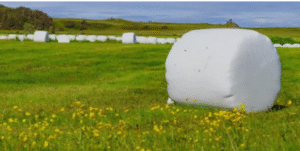
The typical uses for heavy-duty baling twine in Australia include:

  • Round and square hay baling
  • Silage packaging
  • General farm bundling and securing applications

With Australia’s varied climates—from the tropical north to the arid inland—it’s crucial to choose baling twine engineered to withstand the country’s demanding agricultural conditions.

Why Farmers in Australia Prefer Heavy-Duty Baling Twine

High Tensile Strength

Farmers who work with large round or square bales know the importance of using twine that can handle the load. Heavy-duty baling twine offers impressive tensile strength, often exceeding 250kg. This high load-bearing capacity means fewer breakages, reduced downtime, and less waste.

UV Resistance

Australia is known for its intense sunlight, which can cause significant degradation of many materials over time. High-quality, heavy-duty baling twine is UV-stabilised, ensuring it maintains its strength and integrity even after prolonged sun exposure.

Weather Resilience

From coastal humidity to outback dryness, Australian farming regions are exposed to extreme variations in weather. Heavy-duty twine resists moisture absorption, preventing degradation from mould or mildew—essential for preserving bale integrity during storage.

Cost Efficiency

Although slightly more expensive than standard baling twine, heavy-duty varieties provide better value in the long term. With fewer breakages and greater reliability, the investment pays off in reduced labour, less rework, and lower overall baling costs.

Applications in Australian Agriculture

Heavy-duty baling twine plays a critical role in many agricultural sectors across Australia, including:

  • Cattle and Dairy Farms: Used to bale hay for feed storage.
  • Sheep and Goat Farms: Ensures clean and compact bale formation for easier transport and feeding.
  • Silage Production: Baling twine must be strong enough to secure the denser, wetter bales used for silage.
  • Contract Baling Services: Contractors working across diverse properties need reliable twine that performs consistently across various machines and conditions.

With machinery becoming more advanced, today’s balers demand twine that complements their capabilities. Most heavy-duty baling twines are compatible with modern baling equipment, which reduces issues such as tangling or snapping during operation.

Choosing the Right Heavy-Duty Baling Twine

Selecting the best heavy-duty baling twine for your needs involves considering several factors:

Twine Strength

Match the twine strength to your bale type and size. Larger bales need higher tensile strength, while smaller or lighter bales may do with medium-strength twine.

Length per Spool

Longer spools reduce downtime from changing rolls during baling. Always check the length-to-weight ratio to ensure it meets your productivity requirements.

Compatibility with Machinery

Ensure the twine is suited to your specific baler make and model. Most reputable Australian suppliers offer machine-compatible twine that reduces the risk of malfunction or inefficiency.

Environmental Considerations

Look for eco-conscious brands that offer recyclable or biodegradable heavy-duty baling twine options, especially if environmental impact is a concern on your property.

Innovations in Baling Twine Technology

With the growing emphasis on sustainability and efficiency, modern heavy-duty baling twine has undergone significant evolution. New developments include:

  • Biodegradable Twine: Made from renewable resources and designed to break down over time, reducing landfill waste.
  • Colour-Coded Twine: This is for easy identification of bale contents or batch separation.
  • Tangle-Free Packaging: Reduces waste and increases operational speed.

These innovations reflect the industry’s shift toward more innovative, more sustainable farming practices across Australia.

Conclusion:

In today’s fast-paced and increasingly automated agricultural environment, heavy-duty baling twine is more than just a binding solution—it’s a productivity enhancer. Its ability to perform reliably under harsh Australian conditions makes it an essential investment for any serious farmer or contractor.

From ensuring the secure packaging of hay and silage to reducing waste and boosting operational efficiency, heavy-duty baling twine continues to prove its worth in the Australian farming sector.

Net Replacement Film: A Smart Agricultural Solution for Lasting Protection

In the ever-evolving world of agriculture and horticulture, efficiency and durability are critical. One such innovation that is making waves across Australian farms and greenhouses is net replacement film. This advanced solution offers a longer-lasting, more reliable alternative to traditional netting, enhancing crop protection and operational sustainability. As growers seek smarter investments to protect their produce from environmental factors and pests, net replacement film is becoming an essential component of modern agricultural practices. For quality, durable net replacement film, click here.

What is Net Replacement Film?

durable net replacement filmNet replacement film is a high-strength plastic film designed to substitute traditional agricultural nets. These films are often made from UV-stabilised polyethylene or similar materials, offering durability and flexibility for various agricultural uses. Unlike traditional netting, which can degrade quickly due to sun exposure and wind damage, net replacement film provides extended life, reduced maintenance, and improved crop protection.
Why Australian Growers Are Switching to Net Replacement Film

Australia’s diverse climate presents numerous challenges for farmers. From harsh UV exposure to heavy rain and seasonal winds, traditional netting solutions often fall short in longevity and effectiveness. Here’s why net replacement film is gaining traction across the country:

Superior Durability

Net replacement film is engineered to withstand Australia’s harshest conditions. With high UV resistance, tear strength, and weather tolerance, these films offer multiple seasons of use without degrading, making them a cost-effective choice for long-term operations.

Improved Crop Protection

Net replacement films act as a physical barrier, safeguarding crops from birds, insects, and hailstorms. Some advanced films even come with anti-condensation and light diffusion properties, creating an optimal microclimate for plant growth while keeping pests at bay.

Reduced Maintenance and Labour Costs

Traditional nets often require frequent replacements and repairs. With net replacement film, the need for ongoing maintenance is significantly reduced. It translates into lower labour costs and less downtime for farmers.

Customisable and Versatile

Net replacement film is available in various thicknesses, widths, and lengths. Whether you’re covering small fruit orchards, vineyards, or large greenhouse structures, the film can be tailored to suit any agricultural setting.

Typical Applications of Net Replacement Film in Australia

Farmers across Australia are embracing net replacement film in various agricultural and horticultural sectors. Key applications include:

  • Greenhouses: To regulate temperature, control pests, and ensure consistent light diffusion.
  • Orchards and Vineyards: These are used for bird control, hail protection, and sunburn reduction on fruits like apples, grapes, and citrus.
  • Nurseries: Providing a stable environment for young plants while shielding them from insects and environmental stressors.

Choosing the Right Net Replacement Film

Not all net replacement films are created equal. In ensuring optimal performance, it’s essential to consider the following factors:

UV Stabilisation

Ensure the film has adequate UV stabilisers to prevent brittleness and breakdown over time, especially in high-sun regions like Northern and Central Australia.

Film Thickness

The ideal thickness depends on the intended application. Thicker films are more durable but may reduce airflow and light, while thinner films offer more breathability but may not last as long.

Permeability

Select a film with appropriate permeability for your crop needs. Some films offer micro-perforations or venting features to promote airflow and reduce humidity.

Warranty and Lifespan

Reputable manufacturers in Australia often provide warranties ranging from 3 to 7 years, depending on usage and environmental exposure.

Sourcing Net Replacement Film in Australia

Several Australian suppliers and distributors specialise in high-quality net replacement films suitable for local conditions. When selecting a provider, look for those with:

  • A strong reputation for quality and service
  • Customisation options to suit your unique agricultural setup
  • Local expertise in handling the challenges of Australian weather and crop types

Many of these suppliers also offer installation services, ensuring the film is correctly fitted to maximise its effectiveness and lifespan.

Conclusion:

Net replacement film is not just a trend—it’s a transformative solution for Australian agriculture. From improving crop yields to reducing operational costs, this innovative product is proving to be a game-changer for farmers and horticulturists alike.

By investing in net replacement film, Australian growers can look forward to stronger protection, greater efficiency, and a more sustainable future. As the agricultural sector continues to evolve, adopting more innovative materials like these is key to staying competitive and resilient.

Silage Plastic: How UV-Protected Silage Plastic Enhances Feed Preservation

In modern farming, preserving high-quality silage is essential for ensuring livestock have access to nutritious feed throughout the year. One of the most effective ways to maintain silage quality is by using UV-protected silage plastic. This specialised plastic offers superior protection against sunlight degradation, reducing spoilage and preserving feed value. In this article, we explore how UV-protected silage plastic enhances feed preservation and why it is a crucial investment for farmers in Australia.

Understanding Silage Preservation

UV-protected silage plasticSilage is fermented, high-moisture fodder that provides essential nutrients to livestock, particularly during periods when fresh forage is unavailable. Proper silage storage is vital to prevent spoilage caused by oxygen exposure, moisture loss, and microbial activity. Silage plastic plays a key role in creating an airtight seal, preventing oxygen from entering the storage environment. However, prolonged exposure to UV radiation can degrade ordinary plastic, leading to compromised protection and increased feed losses.
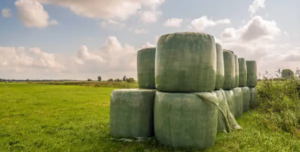
The Importance of UV Protection in Silage Plastic

Standard plastic films degrade when exposed to sunlight over time. UV-protected silage plastic is designed to withstand prolonged exposure to ultraviolet rays, ensuring long-term durability and effectiveness. Here are some key reasons why UV protection matters:

  • Prevents Plastic Degradation

UV radiation breaks down plastic materials, causing them to become brittle and crack. When silage plastic deteriorates, it loses its ability to maintain an airtight seal, allowing oxygen and moisture to penetrate. UV-protected silage plastic contains stabilisers that extend its lifespan, ensuring it remains intact for the duration of silage storage.

  • Maintains an Airtight Seal

One of the primary functions of silage plastic is to create an oxygen barrier. When UV exposure weakens the plastic, it can develop tiny holes or tears, leading to air infiltration. UV-protected silage plastic retains its strength and flexibility, reducing the risk of air leaks that can lead to mould growth and spoilage.

  • Reduces Nutrient Loss

Oxygen exposure accelerates the breakdown of valuable nutrients in silage, diminishing its quality and reducing its nutritional benefits for livestock. By preventing plastic degradation, UV protection helps maintain the integrity of the silage, ensuring optimal feed value.

  • Enhances Cost Efficiency

Farmers who use non-UV-protected plastic may need to replace covers frequently due to wear and tear. Investing in UV-protected silage plastic reduces replacement costs and minimises losses caused by spoilage, making it a cost-effective solution in the long run.

Additional Benefits of UV-Protected Silage Plastic

Beyond its primary role in feed preservation, UV-protected silage plastic offers several additional benefits:

  • Improved Weather Resistance – It withstands harsh weather conditions such as high temperatures, strong winds, and heavy rainfall, ensuring consistent protection.
  • Better Handling and Application – UV-protected plastic is more durable and flexible, making it easier to apply and manage during silage covering.
  • Sustainable Farming Practices – By reducing feed wastage and minimising the need for frequent plastic replacement, UV-protected silage plastic contributes to more sustainable farm operations.

How to Choose the Right UV-Protected Silage Plastic

When selecting UV-protected silage plastic, consider the following factors:

  • Thickness and Layering – Multi-layered plastic films with adequate thickness offer superior durability and protection.
  • UV Stabilisation Rating – Look for plastic films with a high UV resistance rating to ensure long-lasting performance.
  • Oxygen Barrier Properties – Opt for plastic with advanced oxygen barrier technology to enhance feed preservation.
  • Manufacturer Reputation – Choose products from reputable brands known for producing high-quality agricultural plastics.

Proper Usage and Maintenance Tips

To maximise the benefits of UV-protected silage plastic, follow these best practices:

  1. Ensure Proper Sealing – Secure the plastic tightly over the silage to eliminate air pockets.
  2. Use Weights or Covers – Prevent plastic movement by placing weights (e.g., sandbags or gravel bags) on the edges.
  3. Inspect Regularly – Check for any damage or tears and repair them promptly.
  4. Store Unused Plastic Properly – Keep unused silage plastic in a shaded, dry area to maintain its quality for future use.

Conclusion

UV-protected silage plastic is a game-changer in modern farming in Australia, offering superior feed preservation by preventing plastic degradation, maintaining an airtight seal, reducing nutrient loss, and enhancing cost efficiency. Investing in high-quality UV-protected silage plastic ensures that farmers can store nutritious feed for their livestock while minimising wastage and costs. By choosing the right silage plastic and following proper usage techniques, farmers can achieve better results in their feed preservation efforts, ultimately leading to healthier livestock and improved farm productivity.

Silage Film: Why Farmers Are Switching to Green Silage Film for Better Crop Preservation

Farmers have always sought methods to improve crop preservation and ensure optimal feed quality for their livestock. One of the most recent innovations in this field is the use of green silage film, a highly effective solution for preserving silage, which is critical for maintaining the nutritional value of crops, especially in the off-season. As the agricultural industry in Australia continues to evolve, more and more farmers are making the switch to green silage film for its numerous benefits, including improved preservation, cost efficiency, and environmental advantages.

What Is Green Silage Film?

green silage filmGreen silage film is a specialised plastic film used in the storage of silage, which is fermented, high-moisture fodder used to feed livestock, particularly cattle. The film is designed to cover silage heaps or bales, ensuring that air is excluded and that the silage remains tightly sealed. It is crucial because, in the absence of air, the fermentation process that occurs within the silage can be controlled, resulting in higher-quality, more nutritious feed.

The green colour of the film is not just for aesthetics; it plays a role in blocking UV rays and protecting the silage from light, which can cause spoilage. The material is typically made of polyethylene, offering durability and resistance to tearing. Green silage film is available in both stretch film (for wrapping silage bales) and large roll sheets for covering silo piles or pits.

Improved Preservation and Feed Quality

One of the primary reasons farmers are making the switch to green silage film is its ability to preserve feed quality more effectively than traditional methods. Silage preservation is vital for maintaining the nutritional content of crops like maise, ryegrass, and alfalfa, ensuring livestock receive high-quality feed throughout the year.

Green silage film creates an airtight environment around the silage, reducing the exposure to oxygen that can lead to the growth of unwanted microorganisms. Without this protective barrier, silage can quickly spoil, losing its nutrient value, which directly affects animal health and farm productivity. By using green silage film, farmers are able to extend the shelf life of their silage, ensuring that their livestock have access to high-quality feed for months after harvest.

Moreover, green silage film helps preserve the sugars in the silage, which are key to fermentation. The film ensures that the fermentation process takes place under optimal conditions, resulting in a more digestible and nutrient-rich product. It leads to better animal health, improved milk production, and enhanced growth rates for meat animals, ultimately boosting farm profitability. 

Environmental Benefits of Green Silage Film

Another significant reason farmers are switching to green silage film is its environmental benefits. As the agricultural sector increasingly embraces sustainability, the use of materials that minimise environmental impact is gaining popularity. Green silage film is designed to be environmentally friendly, as it reduces the need for chemical preservatives and artificial additives that are commonly used in silage preservation.

The film’s UV-resistant properties ensure that it effectively blocks sunlight, helping to prevent the growth of harmful bacteria and fungi in silage. By reducing the need for chemical treatments, farmers are not only improving the quality of their silage but are also making a positive impact on the environment.

Additionally, many green silage films are now available in recyclable or biodegradable options, making them a more sustainable alternative to traditional plastic films. It is an important consideration for farmers looking to reduce their environmental footprint and comply with stricter environmental regulations. By using green silage film, farmers are contributing to the reduction of plastic waste and promoting more sustainable farming practices.

Conclusion

Farmers in Australia are increasingly turning to green silage film as a more effective, cost-efficient, and sustainable solution for preserving their crops. Its ability to extend the shelf life of silage, improve feed quality, and reduce waste has made it a popular choice in modern farming practices. With environmental sustainability becoming more important, green silage film also offers farmers an eco-friendly alternative that aligns with the growing demand for sustainable agricultural practices.

The switch to green silage film represents an important step forward in the evolution of crop preservation methods, providing farmers with the tools they need to boost productivity, enhance animal health, and contribute to a more sustainable agricultural industry. As this innovative film continues to gain popularity, its role in modern farming is set to grow, offering even more benefits to farmers around the world.


Baler Twine: The Essential Tool for Farmers

In Australia, agriculture plays a significant role in the economy, and one of the most crucial components for farmers is baler twine. Used extensively in the hay and silage production process, baler twine ensures that farmers can efficiently bundle and store their crops. Understanding the various types of baler twine and its applications can help farmers make informed decisions that contribute to their productivity and sustainability. For a natural fiber baling twine, click here.

What is Baler Twine?

natural fiber baling twineBaler twine is a strong, durable rope designed to tie bales of hay, straw, and silage. It is typically made from synthetic materials like polypropylene or nylon, which offer superior strength and resistance to weather conditions. Baler twine comes in various sizes and colours, allowing farmers to choose the right type for their specific needs.

Types of Baler Twine

In Australia, farmers can choose from several types of baler twine, including:

  • Polypropylene Twine: This is the most common type of baler twine used in Australia. It is lightweight, strong, and resistant to UV rays and moisture, making it ideal for outdoor storage.
  • Nylon Twine: While nylon twine is generally more expensive, it offers superior strength and elasticity. This type of twine is suitable for heavy-duty applications, particularly in large-scale farming operations.
  • Biodegradable Twine: With growing environmental concerns, many farmers are turning to biodegradable baler twine. Made from natural fibres, this twine decomposes over time, reducing the environmental impact of waste.
  • Heavy-Duty Twine: Designed for high-pressure applications, heavy-duty baler twine is thicker and more robust than standard twine. It is ideal for bundling large volumes of hay or silage.

The Importance of Baler Twine in Australian Agriculture

Baler twine plays a vital role in various agricultural processes. Here are some reasons why it is indispensable for Australian farmers:

Efficiency in Hay Production

Producing high-quality hay is crucial for livestock feeding. Baler twine allows farmers to efficiently package hay into manageable bales, ensuring it remains intact during storage and transport. This efficiency helps save time and labour costs, enabling farmers to focus on other essential tasks. For a natural fiber baling twine, click here.

Protection from Weather

Australia’s climate can be unpredictable, with extreme weather events such as heavy rain or strong winds. Baler twine helps secure bales tightly, preventing moisture and contaminants from entering, which can lead to spoilage. Using high-quality twine ensures that hay and silage remain in good condition until they are ready for use.

Cost-Effectiveness

Investing in quality baler twine can save farmers money in the long run. Durable twine reduces the risk of breakage during baling, leading to fewer disruptions and increased productivity. Additionally, using the correct type of twine can extend the life of the bales, ensuring that farmers get the most out of their investment.

Environmental Considerations

With a growing emphasis on sustainability, many farmers are now opting for biodegradable baler twine. This choice not only helps reduce environmental impact but also caters to the increasing consumer demand for eco-friendly products. By using biodegradable twine, farmers can enhance their sustainability practices while maintaining efficiency.

Choosing the Right Baler Twine

Selecting the appropriate baler twine depends on various factors, including the type of crops being baled, the baler machine used, and the environmental conditions. Here are some tips to help farmers make the right choice:

  • Consider the Crop Type: Different crops may require specific types of twine. For instance, hay bales may require lighter twine, while silage may need something more substantial.
  • Check the Baler Specifications: Ensure that the twine is compatible with the baler. Some machines have specific twine requirements, so it’s essential to consult the manufacturer’s guidelines.
  • Evaluate Weather Conditions: In areas prone to extreme weather, opt for UV-resistant twine to ensure durability and performance.

Conclusion:

Baler twine is an essential tool for Australian farmers, playing a crucial role in the efficiency and effectiveness of hay and silage production. Various types are available, including polypropylene, nylon, biodegradable, and heavy-duty twine. Farmers can choose the best option for their needs. Investing in quality baler twine not only enhances productivity but also contributes to sustainable farming practices.