
In the demanding world of Australian agriculture, where durability, performance, and reliability are paramount, heavy-duty baling twine has become an indispensable tool for both farmers and contractors. Whether used in baling hay, straw, or silage, this high-strength twine ensures secure packaging, easy handling, and minimal product loss—making it a vital component in modern farming operations. For quality and heavy-duty baling twine, check this out!
What Is Heavy-Duty Baling Twine?
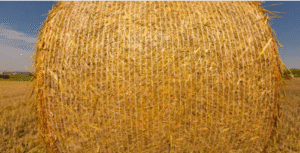 Heavy-duty baling twine is a robust, high-tensile synthetic cord designed to hold large, dense bales of hay or straw together. Unlike standard twine, the heavy-duty variety is manufactured to withstand significant stress, UV exposure, and harsh environmental conditions. Made from polypropylene or similar synthetic polymers, this twine offers superior durability and resistance to rot and mildew.
The typical uses for heavy-duty baling twine in Australia include:
- Round and square hay baling
- Silage packaging
- General farm bundling and securing applications
With Australia’s varied climates—from the tropical north to the arid inland—it’s crucial to choose baling twine engineered to withstand the country’s demanding agricultural conditions.
Why Farmers in Australia Prefer Heavy-Duty Baling Twine
High Tensile Strength
Farmers who work with large round or square bales know the importance of using twine that can handle the load. Heavy-duty baling twine offers impressive tensile strength, often exceeding 250kg. This high load-bearing capacity means fewer breakages, reduced downtime, and less waste.
UV Resistance
Australia is known for its intense sunlight, which can cause significant degradation of many materials over time. High-quality, heavy-duty baling twine is UV-stabilised, ensuring it maintains its strength and integrity even after prolonged sun exposure.
Weather Resilience
From coastal humidity to outback dryness, Australian farming regions are exposed to extreme variations in weather. Heavy-duty twine resists moisture absorption, preventing degradation from mould or mildew—essential for preserving bale integrity during storage.
Cost Efficiency
Although slightly more expensive than standard baling twine, heavy-duty varieties provide better value in the long term. With fewer breakages and greater reliability, the investment pays off in reduced labour, less rework, and lower overall baling costs.
Applications in Australian Agriculture
Heavy-duty baling twine plays a critical role in many agricultural sectors across Australia, including:
- Cattle and Dairy Farms: Used to bale hay for feed storage.
- Sheep and Goat Farms: Ensures clean and compact bale formation for easier transport and feeding.
- Silage Production: Baling twine must be strong enough to secure the denser, wetter bales used for silage.
- Contract Baling Services: Contractors working across diverse properties need reliable twine that performs consistently across various machines and conditions.
With machinery becoming more advanced, today’s balers demand twine that complements their capabilities. Most heavy-duty baling twines are compatible with modern baling equipment, which reduces issues such as tangling or snapping during operation.
Choosing the Right Heavy-Duty Baling Twine
Selecting the best heavy-duty baling twine for your needs involves considering several factors:
Twine Strength
Match the twine strength to your bale type and size. Larger bales need higher tensile strength, while smaller or lighter bales may do with medium-strength twine.
Length per Spool
Longer spools reduce downtime from changing rolls during baling. Always check the length-to-weight ratio to ensure it meets your productivity requirements.
Compatibility with Machinery
Ensure the twine is suited to your specific baler make and model. Most reputable Australian suppliers offer machine-compatible twine that reduces the risk of malfunction or inefficiency.
Environmental Considerations
Look for eco-conscious brands that offer recyclable or biodegradable heavy-duty baling twine options, especially if environmental impact is a concern on your property.
Innovations in Baling Twine Technology
With the growing emphasis on sustainability and efficiency, modern heavy-duty baling twine has undergone significant evolution. New developments include:
- Biodegradable Twine: Made from renewable resources and designed to break down over time, reducing landfill waste.
- Colour-Coded Twine: This is for easy identification of bale contents or batch separation.
- Tangle-Free Packaging: Reduces waste and increases operational speed.
These innovations reflect the industry’s shift toward more innovative, more sustainable farming practices across Australia.
Conclusion:
In today’s fast-paced and increasingly automated agricultural environment, heavy-duty baling twine is more than just a binding solution—it’s a productivity enhancer. Its ability to perform reliably under harsh Australian conditions makes it an essential investment for any serious farmer or contractor.
From ensuring the secure packaging of hay and silage to reducing waste and boosting operational efficiency, heavy-duty baling twine continues to prove its worth in the Australian farming sector.