
In modern farming, preserving high-quality silage is essential for ensuring livestock have access to nutritious feed throughout the year. One of the most effective ways to maintain silage quality is by using UV-protected silage plastic. This specialised plastic offers superior protection against sunlight degradation, reducing spoilage and preserving feed value. In this article, we explore how UV-protected silage plastic enhances feed preservation and why it is a crucial investment for farmers in Australia.
Understanding Silage Preservation
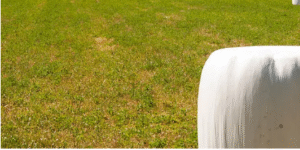 Silage is fermented, high-moisture fodder that provides essential nutrients to livestock, particularly during periods when fresh forage is unavailable. Proper silage storage is vital to prevent spoilage caused by oxygen exposure, moisture loss, and microbial activity. Silage plastic plays a key role in creating an airtight seal, preventing oxygen from entering the storage environment. However, prolonged exposure to UV radiation can degrade ordinary plastic, leading to compromised protection and increased feed losses.
The Importance of UV Protection in Silage Plastic
Standard plastic films degrade when exposed to sunlight over time. UV-protected silage plastic is designed to withstand prolonged exposure to ultraviolet rays, ensuring long-term durability and effectiveness. Here are some key reasons why UV protection matters:
- Prevents Plastic Degradation
UV radiation breaks down plastic materials, causing them to become brittle and crack. When silage plastic deteriorates, it loses its ability to maintain an airtight seal, allowing oxygen and moisture to penetrate. UV-protected silage plastic contains stabilisers that extend its lifespan, ensuring it remains intact for the duration of silage storage.
- Maintains an Airtight Seal
One of the primary functions of silage plastic is to create an oxygen barrier. When UV exposure weakens the plastic, it can develop tiny holes or tears, leading to air infiltration. UV-protected silage plastic retains its strength and flexibility, reducing the risk of air leaks that can lead to mould growth and spoilage.
- Reduces Nutrient Loss
Oxygen exposure accelerates the breakdown of valuable nutrients in silage, diminishing its quality and reducing its nutritional benefits for livestock. By preventing plastic degradation, UV protection helps maintain the integrity of the silage, ensuring optimal feed value.
- Enhances Cost Efficiency
Farmers who use non-UV-protected plastic may need to replace covers frequently due to wear and tear. Investing in UV-protected silage plastic reduces replacement costs and minimises losses caused by spoilage, making it a cost-effective solution in the long run.
Additional Benefits of UV-Protected Silage Plastic
Beyond its primary role in feed preservation, UV-protected silage plastic offers several additional benefits:
- Improved Weather Resistance – It withstands harsh weather conditions such as high temperatures, strong winds, and heavy rainfall, ensuring consistent protection.
- Better Handling and Application – UV-protected plastic is more durable and flexible, making it easier to apply and manage during silage covering.
- Sustainable Farming Practices – By reducing feed wastage and minimising the need for frequent plastic replacement, UV-protected silage plastic contributes to more sustainable farm operations.
How to Choose the Right UV-Protected Silage Plastic
When selecting UV-protected silage plastic, consider the following factors:
- Thickness and Layering – Multi-layered plastic films with adequate thickness offer superior durability and protection.
- UV Stabilisation Rating – Look for plastic films with a high UV resistance rating to ensure long-lasting performance.
- Oxygen Barrier Properties – Opt for plastic with advanced oxygen barrier technology to enhance feed preservation.
- Manufacturer Reputation – Choose products from reputable brands known for producing high-quality agricultural plastics.
Proper Usage and Maintenance Tips
To maximise the benefits of UV-protected silage plastic, follow these best practices:
- Ensure Proper Sealing – Secure the plastic tightly over the silage to eliminate air pockets.
- Use Weights or Covers – Prevent plastic movement by placing weights (e.g., sandbags or gravel bags) on the edges.
- Inspect Regularly – Check for any damage or tears and repair them promptly.
- Store Unused Plastic Properly – Keep unused silage plastic in a shaded, dry area to maintain its quality for future use.
Conclusion
UV-protected silage plastic is a game-changer in modern farming in Australia, offering superior feed preservation by preventing plastic degradation, maintaining an airtight seal, reducing nutrient loss, and enhancing cost efficiency. Investing in high-quality UV-protected silage plastic ensures that farmers can store nutritious feed for their livestock while minimising wastage and costs. By choosing the right silage plastic and following proper usage techniques, farmers can achieve better results in their feed preservation efforts, ultimately leading to healthier livestock and improved farm productivity.