
Sustainability has moved beyond being a buzzword to become an essential pillar in New Zealand’s retail and e-commerce sectors. Among the many ways businesses are embracing this trend, the adoption of eco‑friendly packaging boxes NZ stands out as a tangible and impactful change.
The rise in eco‑friendly packaging demand
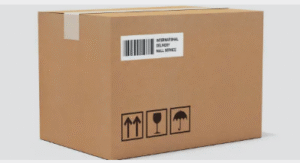 Across New Zealand, conscious consumers—particularly Millennials and Gen Z—are increasingly prioritising the environmental credentials of brands. This shift has driven a notable increase in demand for eco-conscious alternatives. As a result, more retailers and online businesses are transitioning from traditional, petroleum-based packaging to sustainable alternatives. The keyword packaging boxes NZ is now synonymous not just with containment, but with conscience and care.
Key drivers behind this shift:
- Consumer awareness: Heightened media coverage and educational campaigns have amplified environmental concerns, encouraging people to support responsible businesses.
- Regulatory incentives: Local councils and national bodies are creating incentives and guidelines that encourage companies to reduce waste and improve recyclability.
- Corporate responsibility: New Zealand’s brands are embracing environmental goals to meet stakeholder expectations and align with global sustainability agendas.
Materials powering sustainable packaging
There’s more variety than ever in eco‑friendly materials, each suited to a specific function and lifecycle:
- Recycled cardboard and corrugated board: These are widely used in packaging boxes in NZ due to their sturdy nature and widespread recyclability. Sourced from post-consumer and post-industrial waste, they can be upcycled multiple times.
- Plant-based fibres, made from sugarcane (bagasse), bamboo, or other agricultural residues, offer compostability in both home and industrial settings.
- Water-based or soy-based inks and adhesives replace harsher chemicals, ensuring that the entire packaging system is more environmentally friendly.
Companies sourcing packaging boxes in NZ now often highlight their certifications—such as FSC (Forest Stewardship Council) or PEFC (Programme for the Endorsement of Forest Certification)—to validate the eco‑credentials of their materials.
Innovations in design: form meets function
Eco‑friendly packaging isn’t just about material—it’s about intelligent design. By rethinking the structure of packaging boxes in NZ, companies can reduce waste, improve performance, and save on costs.
Key design innovations:
- Right-sizing: Eliminating excess bulk reduces material use and lowers shipping volume.
- Integrated cushioning: Corrugated inserts, honeycomb structures, or moulded fibre solutions replace single-use plastic bubble wrap or foam.
- Flat-pack logistics: Many green packaging boxes are designed to ship flat and self-assemble, thereby reducing transport inefficiencies and storage costs.
- Multi‑use packaging: Durable designs that double as storage boxes or returnable mailers align with circular economy principles.
By focusing on both aesthetics and practicality, sustainable packaging boxes NZ deliver protection, branding opportunity, and environmental stewardship in equal measure.
Sustainability across the value chain
Eco‑friendly packaging extends far beyond the box in your hands—it spans the entire supply chain:
- Procurement: Retailers are partnering with local manufacturers to reduce carbon-intensive transport and support regional economies.
- Production: Many packaging plants in NZ use renewable energy, wastewater treatment systems, and waste-to-energy processes.
- Transport: Lighter, right‑sized packaging reduces shipping emissions, especially for e‑commerce deliveries across New Zealand or abroad.
- End-of-life: Bio-based or recyclable packaging boxes in NZ minimise waste sent to landfills and foster circularity.
This holistic approach ensures that sustainable choices aren’t undone at another stage, making environmental integrity a core business strategy.
Regulatory momentum and policy alignment
New Zealand’s policy framework is increasingly supportive of sustainable packaging technologies:
- Plastics bans and levies: Initiatives like the Waste Minimisation (Plastic Shopping Bags) Regulations help shift businesses away from single‑use plastic packaging.
- National strategy: The New Zealand Waste Strategy encourages businesses to reduce, reuse, and recycle packaging materials.
- Extended producer responsibility (EPR): Upcoming EPR regulations will require producers to take responsibility for post‑consumer packaging, providing further incentive to embrace sustainable packaging boxes in NZ.
These evolving regulations are pushing businesses to innovate and prioritise eco-friendliness.
Conclusion
Eco‑friendly packaging boxes NZ are rapidly evolving from niche innovations to essential business tools. They reduce environmental harm, unlock cost savings, build stronger brand narratives, and meet regulatory requirements—all while delighting environmentally conscious customers. For retailers and e-commerce operators across New Zealand, adopting sustainable packaging is more than a choice – it’s a competitive necessity.
As the market accelerates, the companies that lead the way—whether through innovative design, traceable sourcing, or zero‑waste lifecycle planning—will enjoy stronger brand loyalty, operational resilience, and alignment with a future shaped by responsible resource stewardship.