

Construction Companies Adelaide’ 7 Qualities That Set Professional Construction Companies Apart in Adelaide, SA

construction companies Adelaide

Finding the right builder can make all the difference when planning a residential, commercial, or industrial project. With many construction companies Adelaide has to offer, choosing the right team requires more than comparing prices. Property owners should work with professional construction companies that have the expertise, resources, and commitment to deliver exceptional results. Whether you’re building from the ground up, renovating an existing structure, or expanding your property, selecting the right construction partner can help ensure a smoother process and a successful outcome.

Why Choosing the Right Construction Company Matters

Construction projects involve significant investments of both time and money. Every stage, from planning and approvals to completion, requires careful coordination and attention to detail. Working with experienced professionals helps minimise costly mistakes while ensuring your project complies with South Australian building regulations.

Adelaide continues to experience growth across residential developments, commercial properties, and industrial facilities. As demand increases, choosing a company with proven experience and a reputation for quality workmanship becomes increasingly important.

1. Extensive Industry Experience

One of the first qualities to look for is experience. Established construction companies Adelaide often have years of practical knowledge across various project types.

Experienced builders understand:

● Local council requirements

● Adelaide’s building regulations

● Site preparation challenges

● Material selection for South Australia’s climate

● Efficient project scheduling

A company with a diverse portfolio shows it can adapt to different construction requirements while maintaining consistent quality.

2. Strong Project Management

Successful construction depends on effective planning and coordination. Quality builders assign experienced project managers who oversee every stage of the development process.

Good project management includes:

● Clear communication with clients

● Scheduling subcontractors

● Managing budgets

● Monitoring construction timelines

● Ensuring quality control throughout the project

When clients work with professional construction companies, they benefit from organised workflows that reduce delays and improve overall efficiency.

3. Transparent Communication

Construction projects involve numerous decisions along the way. Open communication helps clients stay informed throughout every phase.

Professional builders provide regular updates regarding:

● Construction progress

● Timeline adjustments

● Budget considerations

● Material availability

● Site inspections

● Upcoming milestones

Transparency builds trust and helps address potential issues before they become larger problems.

4. Commitment to Quality Workmanship

Quality workmanship should never be compromised. Reliable construction companies Adelaide prioritise precision, safety, and long-lasting results.

This includes:

● Using premium building materials

● Employing qualified tradespeople

● Conducting regular inspections

● Following Australian construction standards

● Maintaining high safety practices

Attention to detail helps a finished project perform well for years while maintaining its visual appeal.

5. Comprehensive Construction Services

Many property owners prefer companies that can manage multiple aspects of construction under one roof.

These services may include:

● Design collaboration

● New home construction

● Commercial developments

● Industrial facilities

● Renovations and extensions

● Site preparation

● Project management

● Interior fit-outs

Choosing a full-service contractor simplifies communication and streamlines the building experience.

6. Knowledge of Adelaide’s Building Environment

Every region presents unique construction challenges. Adelaide’s climate, soil conditions, and council regulations require local expertise.

Builders familiar with South Australia understand how to:

● Select suitable construction materials

● Design for energy efficiency

● Address soil movement

● Meet local compliance standards

● Maximise long-term building performance

This local knowledge often leads to more efficient construction processes and better overall project outcomes.

7. Positive Reputation and Client Satisfaction

Reputation remains one of the strongest indicators of reliability. Before hiring a builder, review completed projects and seek client feedback whenever possible.

Indicators of a reputable builder include:

● Consistent positive testimonials

● Diverse project portfolio

● Repeat clients

● Strong attention to customer service

● Reliable communication

● Timely project delivery

Many professional construction companies build long-term relationships by consistently delivering projects that meet or exceed client expectations.

Questions to Ask Before Hiring a Construction Company

Choosing the right contractor involves asking thoughtful questions during your initial consultation.

Consider asking:

● How many similar projects have you completed?

● Can you provide examples of recent work?

● Who will manage my project?

● What is the expected timeline?

● How do you handle unexpected construction challenges?

● What quality assurance processes do you follow?

● How frequently will I receive project updates?

These questions help you better understand how a company approaches planning, communication, and project execution.

The Value of Professional Construction Services

Construction is about far more than assembling materials. A well-managed project requires technical expertise, strategic planning, skilled tradespeople, and careful coordination.

Experienced builders provide value by:

● Improving construction efficiency

● Reducing costly delays

● Maintaining safety standards

● Delivering consistent workmanship

● Managing risks proactively

● Providing practical building solutions

Working with experienced professionals also helps property owners enjoy greater peace of mind throughout the construction journey.

Building for Adelaide’s Future

Adelaide continues to evolve with new residential communities, commercial developments, healthcare facilities, educational buildings, and industrial infrastructure. As construction demand grows, clients increasingly seek companies that can deliver innovative, sustainable, high-quality projects.

Modern builders embrace improved construction methods, environmentally responsible practices, and efficient project management systems that support long-term success for both residential and commercial developments.

Conclusion

Choosing the right construction company in Adelaide is one of the most important decisions you’ll make for your building project. While pricing matters, experience, communication, quality workmanship, and project management should carry equal weight during the selection process.

By partnering with professional construction companies, property owners can feel more confident that every stage of construction will be handled with care, professionalism, and attention to detail. Whether you’re planning a new home, commercial facility, renovation, or large-scale development in Adelaide, choosing an experienced construction partner is the foundation of a successful project.
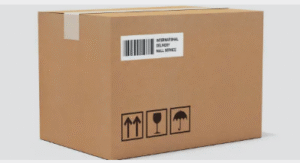
Packaging Boxes NZ: How Sustainable Packaging Is Shaping New Zealand’s Retail and E‑commerce Future

Sustainability has moved beyond being a buzzword to become an essential pillar in New Zealand’s retail and e-commerce sectors. Among the many ways businesses are embracing this trend, the adoption of eco‑friendly packaging boxes NZ stands out as a tangible and impactful change.

The rise in eco‑friendly packaging demand

packaging boxes NZAcross New Zealand, conscious consumers—particularly Millennials and Gen Z—are increasingly prioritising the environmental credentials of brands. This shift has driven a notable increase in demand for eco-conscious alternatives. As a result, more retailers and online businesses are transitioning from traditional, petroleum-based packaging to sustainable alternatives. The keyword packaging boxes NZ is now synonymous not just with containment, but with conscience and care.
Key drivers behind this shift:

  • Consumer awareness: Heightened media coverage and educational campaigns have amplified environmental concerns, encouraging people to support responsible businesses.
  • Regulatory incentives: Local councils and national bodies are creating incentives and guidelines that encourage companies to reduce waste and improve recyclability.
  • Corporate responsibility: New Zealand’s brands are embracing environmental goals to meet stakeholder expectations and align with global sustainability agendas.

Materials powering sustainable packaging

There’s more variety than ever in eco‑friendly materials, each suited to a specific function and lifecycle:

  • Recycled cardboard and corrugated board: These are widely used in packaging boxes in NZ due to their sturdy nature and widespread recyclability. Sourced from post-consumer and post-industrial waste, they can be upcycled multiple times.
  • Plant-based fibres, made from sugarcane (bagasse), bamboo, or other agricultural residues, offer compostability in both home and industrial settings.
  • Water-based or soy-based inks and adhesives replace harsher chemicals, ensuring that the entire packaging system is more environmentally friendly.

Companies sourcing packaging boxes in NZ now often highlight their certifications—such as FSC (Forest Stewardship Council) or PEFC (Programme for the Endorsement of Forest Certification)—to validate the eco‑credentials of their materials.

Innovations in design: form meets function

Eco‑friendly packaging isn’t just about material—it’s about intelligent design. By rethinking the structure of packaging boxes in NZ, companies can reduce waste, improve performance, and save on costs.

Key design innovations:

  • Right-sizing: Eliminating excess bulk reduces material use and lowers shipping volume.
  • Integrated cushioning: Corrugated inserts, honeycomb structures, or moulded fibre solutions replace single-use plastic bubble wrap or foam.
  • Flat-pack logistics: Many green packaging boxes are designed to ship flat and self-assemble, thereby reducing transport inefficiencies and storage costs.
  • Multi‑use packaging: Durable designs that double as storage boxes or returnable mailers align with circular economy principles.

By focusing on both aesthetics and practicality, sustainable packaging boxes NZ deliver protection, branding opportunity, and environmental stewardship in equal measure.

Sustainability across the value chain

Eco‑friendly packaging extends far beyond the box in your hands—it spans the entire supply chain:

  • Procurement: Retailers are partnering with local manufacturers to reduce carbon-intensive transport and support regional economies.
  • Production: Many packaging plants in NZ use renewable energy, wastewater treatment systems, and waste-to-energy processes.
  • Transport: Lighter, right‑sized packaging reduces shipping emissions, especially for e‑commerce deliveries across New Zealand or abroad.
  • End-of-life: Bio-based or recyclable packaging boxes in NZ minimise waste sent to landfills and foster circularity.

This holistic approach ensures that sustainable choices aren’t undone at another stage, making environmental integrity a core business strategy.

Regulatory momentum and policy alignment

New Zealand’s policy framework is increasingly supportive of sustainable packaging technologies:

  • Plastics bans and levies: Initiatives like the Waste Minimisation (Plastic Shopping Bags) Regulations help shift businesses away from single‑use plastic packaging.
  • National strategy: The New Zealand Waste Strategy encourages businesses to reduce, reuse, and recycle packaging materials.
  • Extended producer responsibility (EPR): Upcoming EPR regulations will require producers to take responsibility for post‑consumer packaging, providing further incentive to embrace sustainable packaging boxes in NZ.

These evolving regulations are pushing businesses to innovate and prioritise eco-friendliness.

Conclusion

Eco‑friendly packaging boxes NZ are rapidly evolving from niche innovations to essential business tools. They reduce environmental harm, unlock cost savings, build stronger brand narratives, and meet regulatory requirements—all while delighting environmentally conscious customers. For retailers and e-commerce operators across New Zealand, adopting sustainable packaging is more than a choice – it’s a competitive necessity.

As the market accelerates, the companies that lead the way—whether through innovative design, traceable sourcing, or zero‑waste lifecycle planning—will enjoy stronger brand loyalty, operational resilience, and alignment with a future shaped by responsible resource stewardship.

Cool Room Hire Adelaide: Business Solution For Temporary Refrigeration

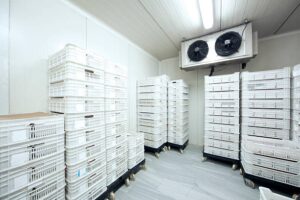
Convenient cool room hire Adelaide is an excellent solution for businesses that need temporary refrigeration. These portable cool rooms are easily transported and provide more storage space than more excellent boxes or mini-freezers. They can also be used for events like weddings and parties.

When choosing an excellent mobile room provider, look for a company that offers affordable prices and excellent customer service. The best companies should also provide extra safety features like rim clamps and padlocks to deter theft. For more information on how much to hire cool room hire Adelaide, click here.

Cost

cool room hire AdelaideExcellent room hire Adelaide is a cost-effective solution for businesses that need extra refrigeration capacity without incurring expensive construction costs. It is ideal for fetes, farmers’ markets, private functions, and street food stall owners. Mobile coolers can help keep meat fresher for longer and ensure that foods reach optimal temperatures before being served to customers. They also offer convenient storage space for frozen items. They can be hired on a short or long-term basis and are thoroughly sanitised after each use to meet Australian safety standards.

When hiring a portable coolroom, make sure to choose one that is large enough to fit all your supplies. It should also have several safety features, including padlocks and rim clamps to prevent theft. Selecting a company that offers a full range of refrigerated transport services is also essential. These services include trailers, trucks, and containerised fridges. They also provide maintenance and repair services for all types of commercial refrigeration equipment, including small cool rooms and large freezers. For more information on how much to hire cool room hire Adelaide, click here.

Size

Coolrooms can be made in various sizes, depending on the food and beverages you will carry. Choosing a larger one than you expect to need will prevent items from freezing or spoiling while in transit. Portable cool rooms are also available with a range of additional features to enhance the security of your supplies, including padlocks and rim clamps to deter theft. Some companies also offer GPS devices to make it easier to locate equipment if it is stolen or damaged.

Mobile cool rooms are a cost-effective storage solution for farmers’ markets, fetes, private events, and street food stall owners. They help keep meat fresher longer and reduce losses due to rotting or extreme temperatures. They are also easy to transport, saving money for businesses that travel to different venues. They can also extend the shelf life of frozen vegetables and cut handling costs by reducing recooling duties.

Environment

Coolroom hire is available to businesses across Adelaide and surrounding areas. These mobile refrigerated transport companies provide cold storage space perfect for various uses, including keeping produce fresh for longer, allowing restaurants to cater gigs in nearby suburbs and providing food stall owners extra freezer space to keep meat supplies frozen and prevent spoilage. These portable freezer/cool rooms can be hired on a short- or long-term basis, depending on your business’s needs, and are thoroughly sanitised after use to ensure that Australian safety standards are met. For more information on how much to hire cool room hire Adelaide, click here.

They also come equipped with padlocks, rim clamps to deter theft, and GPS devices to help locate equipment should it go missing. Whether you need extra refrigeration space for your busy restaurant on Friday nights, a temporary storage solution for your street food stall or a way to protect freezer stock from natural disasters and power outages, hiring a cool room is an easy and cost-effective option.

Security

Whether you need a portable cool room for a party or to keep food and drinks chilled, there are several factors to consider before hiring one. First, you should know how long you will need the cool room and what type of items you will store inside. Finding a company that offers reliable cool rooms at competitive prices is essential.

Mobile refrigerated cool rooms are ideal for events, community gatherings and businesses that need temporary refrigeration. They are easily transported and provide more storage space than coolers or mini-freezers. They also comply with high hygiene standards, making them perfect for storing medical samples, foods, flowers, and cosmetics.

Lightsaber: What Makes Up a Star Wars Lightsaber?

Whatever your taste in films, whether epic space wizard or simply a fan, one thing about Star Wars that draws people in is its iconic lightsabers wielded by Jedi and Sith characters: their incredible energy blades draw fans like magnetism. But what constitutes these mysterious weapons of energy?

At the core of Star Wars lightsaber is its crystal energy chamber, housing both power cells and smaller focusing crystals to hold everything securely in place.

What is a Lightsaber?

Star Wars lightsaber is the iconic weapon of a Jedi knight, used to deflect blaster bolts and cut through almost anything thrown its way. Since 1977, this blade of glowing light has come to symbolise Star Wars as its signature symbol.

lightsaberTo craft a lightsaber, Jedi or Sith must collect Kyber crystals (found on Ilum) and spend days meditating to tune into their Force energy. Once this process is completed, the crystal reacts with metal in the hilt to take on its specific hue following this energy source.

Most lightsabers are green or blue in hue, though any colour is possible. Sith, who wield dark side energy, often used red-bladed lightsabers, while Jedi typically chose purple ones like Mace Windu had. Rarer versions with black and yellow blades exist, too.

Origins

Star Wars was developed using numerous weapons that served as precursors for its lightsaber – some even included crossguards and hilts with two blades attached on either end, inspiring epic lightsaber battles between Jedi and Sith.

The lightsaber hilt is at the core of its operation, featuring kyber crystals that attune its user and glow with colour as the blade cuts through materials. Because kyber crystals are hard to come by in space, Jedi must either steal them from other planets or create synthetic versions using synthetic kyber crystals.

As the community grew, some organisations focused on staged combat choreography and sports competitions. At the same time, other groups adopted more martial arts-centric training systems like those found in China or Europe as their foundation.

Functions

A lightsaber’s blade can cut, burn and melt many materials, deflect projectiles easily, and even create its distinctive hum. Jedi Guardians may use Force powers to enhance and amp up this weapon of lethal precision.

A lightsaber’s hilt contains the Kyber Crystal that channels energy and generates the blade, adapting to each user’s Force energy with specific colours that represent them.

Design

Several Star Wars-licensed toys produce segmented blades when you press a button. But more mechanically inclined fans can create their lightsaber hilts with wiring with multiple functions like flashing, sound effects and blaster blocking – or control LEDs in various ways.

In the movies, each Jedi character carries their Star Wars lightsaber that represents their connection to the Force – silver for peace, orange for energy and ambition, magenta for harmony and compassion, bronze for maturity and wisdom, etc. Some materials also bear mysterious motifs or inscriptions that connect users back to an ancient wellspring of energy; these weapons may even feature double blades! Their greatest advantage over traditional bladed weapons lies in being adjustable length-wise, cutting through anything it encounters effortlessly.

History

Since 1977, lightsabers have mesmerised audiences and inspired those seeking to wield one. But what exactly are lightsabers, and how do they work?

Hollywood sword master Bob Anderson assisted Mark Hamill and other actors with their lightsaber choreography in the original trilogy films, coaching Darth Vader personally during all lightsaber duels that occurred throughout each one of them.

Third-party vendors began offering LED-powered training sabers in the 2000s, featuring aluminium hilts fitted with hollow polycarbonate blades to appear lit onscreen. These popular training sabers remain widely popular with fans today and are often customised by users to match their personas; more recently, several groups have emerged as leaders in LED saber combat.

When a Jedi wields their lightsaber, it’s more than just a blade. It’s an extension of their Force awareness, a personal connection to the universe. A Jedi’s blade can also help them focus on the important things in life. That’s why the Jedi hilt is designed to be so versatile and customisable. In fact, the original lightsaber choreography for the three Star Wars trilogies was developed by Hollywood sword master Bob Anderson, who personally trained Mark Hamill as Luke Skywalker and performed all of his stunts in The Empire Strikes Back and Return of the Jedi.

Plastic Jars Wholesaler NZ: Eco-Friendly Plastic Jars Wholesaler New Zealand

Choosing eco-friendly products is one of the most effective ways to reduce carbon footprint. These products use less energy and are often made of recycled materials.

It includes reducing your use of plastic. Consider purchasing reusable products or using a service that will collect them for you and recycle them. For more eco-friendly plastic jars wholesaler NZ, check this out.

Recyclable

eco-friendly plastic jars wholesaler NZPET, or polyester plastic, is the world’s most used packaging material. But thousands of tonnes are imported into New Zealand annually, used once and then sent to landfill. Flight Plastics in Lower Hutt has launched the first PET recycling plant in the country.

This innovative plant uses kerbside collected PET bottles to make new food-grade containers and punnets. The company’s director, Derek Lander, believes New Zealanders will recycle more when they know their packaging can be repurposed onshore.

Eco-friendly PET jars are available in both round and hexagonal shapes, and they come in clear or amber-coloured options. They have screw-on lids, which are tamper-evident and easy to use. They also feature clean, modern aesthetics and deliver maximum label presentation.

Biodegradable

Many products and packaging are made from materials that can break down easily in landfills. It can help to reduce the build-up of waste and create a more sustainable environment.

There are currently 15 facilities in Aotearoa that accept plant-based and compostable packaging – with strict acceptance standards. However, this type of packaging is not received in curbside food and green waste bins. For more eco-friendly plastic jars wholesaler NZ, check this out.

Some plastics are labelled as biodegradable or oxo-degradable, but this can be misleading as they’re conventional plastics treated with an additive. In being genuinely biodegradable, plastic must be able to decompose under controlled conditions such as industrial or home composting. It must also not interfere with existing plastic recycling processes. In being eco-friendly, it’s best to choose a product or packaging that uses natural materials such as starch or wheat.

Reusable

The eco-conscious buy sustainable versions of their favourite products for various reasons. These include wanting to reduce their environmental footprint, believing in ethical production and fair wages, or aligning with a brand’s charitable mission. Incremental changes to lifestyle choices can also help.

For example, the famous skincare brand Boreal Folk uses PET jars and lids to package their hand and body care products. These jars are clear or amber-coloured and have screw-on caps. PET is a biodegradable plastic, making it a good choice for moisturisers and other rich skin formulas.

IFP is working with Flight Plastics to close the recycling loop for food-grade PET plastic in New Zealand. This educational resource, developed for NZ Curriculum levels 1 and 2, lets students track a plastic bottle as it is transformed into a new container at Flight’s plant in North Island.

Lightweight

Eco-friendly products are on the rise, with many consumers looking to make small lifestyle changes to help combat climate change. It can be as simple as buying organic produce, supporting fair trade practices or aligning their brand with a charity. For more eco-friendly plastic jars wholesaler NZ, check this out.

Plastic jars are also lighter than glass, which can be transported easily. It helps save shipping costs, which is good for the environment and your business finances. They are also less likely to break during transport or on production lines, helping to reduce workplace injuries and downtime.

Plastic cosmetic jars come in various unique shapes, sizes and colours to suit your brand. Choose from a range of caps, labels and seals to create your perfect packaging solution. You can find bulk plastic jars online in different materials and styles to fit your product.

Easy to clean

The jars are made of PET, which is biologically inert and is resistant to attack by micro-organisms. They’re clear or amber-coloured and feature screw-top lids that make them easy to use, even if the jar gets knocked over or dropped. They’re ideal for honey and moisturisers, as they can protect their contents from contamination.

As climate change becomes a more significant concern, more people are seeking out products that have a minimal impact on the environment. From ethical loungewear to clean comfort foods, there’s a growing market for eco-friendly products. It has created an opportunity for entrepreneurs to get in on the act, one refillable bottle at a time.

RFID Tags for Warehouses

RFID tags enable the scanning and identification of items without full visibility or direct line of sight, eliminating manual scanning by workers and resulting in significant time savings.

RAMP RFID tags AustraliaSome applications require RFID tags designed to withstand harsh environments like autoclaves. Other applications need specific sizes of tags to fit crevices or materials within them.

Identification

RAMP RFID tags Australia use radio waves to identify themselves and communicate with readers. All information from or to tags is encrypted for interpretation by readers; RFID readers contain antennas that emit interrogating radio waves for reading and decoding information on RFID tags.

Position and type of tag can have an effect on its ability to be read from a distance, as can frequency of radio waves used by RFID and antenna size, equipment in your facility and materials nearby that might interfere with read range – for instance if placed near metal or liquid, interference could reduce read range considerably.

RFID tags can serve as a complement or replacement to barcodes and other forms of identification, providing more detailed and accurate data than barcodes, while allowing multiple items to be read at once, thus eliminating manual scanning time and increasing throughput. Furthermore, information stored and accessed electronically helps eliminate transcription errors, duplicate data entry and missed items due to process inefficiencies.

RFID’s chief advantage lies in not requiring line-of-sight scanning, which can be an obstacle in warehouse environments. Furthermore, its noncontact nature makes scanning objects without damage possible and makes installation simple in various locations (even high-rise warehouses).

RFID can also be used to track assets, inventory and people, as well as for security. For instance, tags affixed to workers badges can help monitor their location or prevent them from leaving authorised areas; RFID tags can even be embedded into clothing – something already seen in sports apparel products.

RAMP RFID tags Australia has the potential to access personally sensitive data has raised privacy issues. As a result, standard specifications were created to address them; once adopted by widespread adoption of the technology.

Tracking

Radio frequency identification, commonly referred to as RFID, can be utilised in numerous applications for tracking objects. Utilising electromagnetic fields to read tags attached to objects, RFID is more accurate than barcode scanners and can track virtually anything – humans and animals alike! Furthermore, its data provides businesses with tools they need to better manage inventory and assets as well as increase productivity.

Some RFID readers operate at low frequencies (30 KHz to 300 KHz) with limited read range, while others operate on higher frequencies such as HF (3-30MHz and UHF (3-30GHz) for better range and penetration through objects. Low-frequency tags offer lower costs but cannot penetrate most objects, so are best used for inventory tracking in warehouses or transit systems (such as transit fare payment cards or electronic toll collection) while high frequency and UHF readers provide much wider reading distances of 100 meters or more; some even allow simultaneous scanning of multiple tags simultaneously! These readers can even be employed for retail or supply chain applications!

RFID data collected by an RFID tag can be transmitted directly to a computer system via an interface like Ethernet or Bluetooth, known as radio-frequency telematics. This transmission of information allows businesses to enhance business processes by eliminating human error or providing real-time inventory status updates; RFID can even help businesses map where products have been in a facility to identify bottlenecks or potential problem spots.

RAMP RFID tags Australia can assist businesses in cutting costs by eliminating wasteful inventory practices such as shrinkage or the need to reorder due to product loss. Retailers utilise RFID tags in-store or shelf inventory locations and tracking customer orders – saving both time and money by eliminating manual scans of every product individually.

Healthcare institutions also benefit from RFID, which can help track medical equipment and medications. RFID’s ability to limit inventory waste may help offset rising healthcare resource costs through improved accountability and supply efficiency; however, staff concerns have been reported as impeding successful implementation in hospital settings; to minimise negative perceptions while realising its benefits effectively. Educating staff members on its uses will reduce negative opinions while fully realising its advantages.

Security

Warehouse RFID systems offer many benefits to warehouse operations, including improved inventory visibility, leading to better customer service and more efficient operations. Furthermore, this eliminates the need for employees to manually scan and log incoming and outgoing products – potentially leading to mistakes with transcription or missing items and double counting.

RFID tags operate independently from line-of-sight systems like barcode scanners, making them a more reliable solution. Furthermore, they reduce labour costs associated with manual scanning by eliminating the need to turn boxes over or apply barcodes – freeing up workforce members for more valuable tasks while decreasing losses from theft or damage.

Dependent upon your requirements and environment, RFID tag types come in many varieties. Some have long range communication with readers at a distance while others feature shorter read range but greater stability and durability. Which option you select ultimately comes down to your unique circumstances and surroundings.

If your RAMP RFID tags Australia system involves sensitive data, privacy enhancement features may be beneficial to protect it. Such features help avoid skimming and eavesdropping by protecting conversations between reader and tag. One-sided encryption works in this regard: the tag sends coded lines directly to the reader, which then deciphers it with an algorithm exclusive only between them; this prevents skimming since information won’t be transmitted back out as transmission from tag.

Another security feature is the ability to temporarily disable a tag’s power by sending it a command to switch off its radio signal. Once powered off, however, a tag is rendered inoperable until activated using its original tag reader that was used initially to initialise it.

RFID technology is frequently utilised for access control in lock systems. This process typically employs long-range (LF) RFID and proximity or smart card technology to provide access to these locks; such cards may also be used for vehicle logistics, industrial applications and parking access in some instances.

Privacy

RFID tags, while small, easily concealed, and lasting for decades, pose numerous privacy concerns. Their sensitive data storage capabilities and ability to leave behind traces that can identify individuals is cause for alarm when used as part of state ID systems or embedded within food or medical products.

As a result, certain governments have limited or banned RFID usage in certain applications. At the same time, privacy concerns have led companies to develop standards for RFID technology which include provisions to address those concerns.

Privacy in RFID lies with understanding that it’s not just the tag itself that stores or utilises private information; rather it is how that data is utilised and stored. An RFID chip’s information could be linked with dynamic database records that provide additional details – for instance its origin or production date – about an item being sold; consumers could then receive this information when buying that item or retailers could better anticipate consumer demands by providing this data to consumers at point of purchase.

One way of protecting data on RAMP RFID tags Australia is through encryption or other forms of cryptographic protection, while one-sided encryption between tag and reader is the best way to prevent eavesdropping and skimming – since all computation takes place within the reader and not on the tag, therefore communication between them can only be overheard by that reader – not other parties.

Passive tags, which rely solely on electromagnetic energy from readers, have limited communication range and should only be read when close proximity with a reader exists. While this does limit how easily other systems link directly with individuals without consent, sensitive data could still be acquired without it. According to guidelines issued by various authorities in such circumstances, companies should ensure they give notice to consumers regarding any linking of an RFID tag to personal records and provide easy ways for consumers to remove or deactivate it as quickly as possible.