
There are certain factors to consider when choosing an asbestos removal company. Some of these include the cost of materials and equipment, regulations regarding asbestos abatement, safety precautions to take, and more. These considerations will help you to make the right decision.
Safety precautions to take
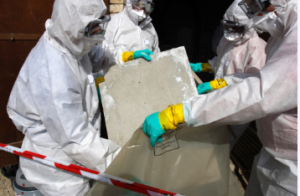 Taking the proper safety precautions when removing asbestos can help you avoid serious health problems. For example, wearing a face mask and an entire body protective suit can reduce the number of asbestos fibres released into the air. It’s also essential to ensure you only work with a qualified asbestos removal professional.
Consider having your home inspected for asbestos before starting any repair or renovation. It will give you a good idea of which materials contain asbestos.
Asbestos is a naturally occurring mineral. It is a substance that is found in some plastics and insulation. However, it can be toxic to humans when inhaled.
The only way to safely remove asbestos is by using a qualified professional. A qualified MPAAsbestosRemoval professional will also know how to dispose of the waste properly.
Before a contractor arrives, the area to be remediated should be cleaned and prepared. Specifically, the HVAC system should be turned off. If running, it will circulate the released fibres, causing them to spread.
The asbestos material should be wetted with water and detergent. It prevents the release of asbestos fibres, and the wetting agent also creates a fine mist.
When working with asbestos, it’s best to use a HEPA vacuum. A regular vacuum cleaner should never be used.
The materials to be removed should be packaged in a leakproof plastic bag. Seal the bags with tape. Afterwards, the waste must be disposed of in a designated landfill.
If you’re planning to make minor repairs, take the time to learn about the different types of asbestos and how to handle them safely. Getting the appropriate training will ensure that you do the job right the first time.
Cost of materials and equipment
Asbestos removal can be a costly process. However, several factors can affect the costs. For example, the type of asbestos and its location can impact the costs. In addition, the work required to remove the material can also affect the price.
Asbestos is a highly hazardous substance. It is challenging to remove from a home. However, if removed improperly, it can pose health risks to homeowners and workers. Fortunately, the EPA regulates asbestos and has national standards for asbestos disposal.
To ensure the safety of homeowners, the EPA requires contractors to use approved asbestos waste disposal methods. It includes recycling. Recycling the material eliminates the asbestos from the waste stream and prevents it from going to a landfill. Unfortunately, recycled asbestos costs three times more than traditional disposal.
While asbestos removal is highly regulated, many standard and necessary expenses are still involved. These include disposal costs, testing, and reduction. In addition, some projects may be eligible for tax credits.
Depending on the project, the materials and equipment for asbestos removal can range from $11 to $30 per square foot. However, if encapsulation is performed, the price can be much lower. Depending on the material, encapsulation can cost between $2 and $6 per square foot.
Regulations for asbestos abatement
You must know your rights if you have asbestos-containing materials in your building. Asbestos abatement is regulated by federal law and state laws. These laws are designed to protect workers from exposure to dangerous fibres and help protect the public.
A licensed MPAAsbestosRemoval asbestos abatement contractor should be on-site during demolition. You must have a professional on hand to avoid violating the law. You will also need to ensure that the contractor follows all the regulations.
Several states have developed stricter laws. However, these laws are less thorough than federal laws. There are some exceptions.
You must notify the Department of Health as soon as possible if you plan to demolish a structure. It is essential to inform the Department of Health in writing and have a professional asbestos abatement contractor on site.
The law defines four classes of operations. Class I asbestos abatement involves thermal system insulation, and class II include wallboard, floor tiles and roofing.
To properly abate asbestos, a building owner should conduct a thorough survey. However, more than half of the contractors said there was no survey on most projects.
When it comes to asbestos abatement, the laws are aimed at protecting the public. They define the types of buildings that must be decreased and the required procedures.
Encapsulation
Asbestos encapsulation is a safe and affordable alternative to asbestos removal. This process involves treating the asbestos with a non-toxic sealant, and the non-toxic adhesive should be flame-retardant, water-resistant and durable.
When asbestos fibres become airborne, they can pose a severe health hazard. They can also lead to respiratory problems and lung cancer.
To remove asbestos, you will need to use a licensed contractor. Removal can be expensive and will require extensive downtime.
If you plan to remodel your home, you might be worried about asbestos contaminating the area. You will need to send a sample to a professional for testing.
After examining the sample, you must decide the best way to remove it. Some options include hiring a contractor, doing it yourself or using an in-place management plan.
An in-place management plan will help you keep costs down while keeping the property safe. However, you will need an annual re-inspection to ensure your safety.
If you are a homeowner with asbestos pipe insulation, you may need more money to pay for asbestos removal. Encapsulation is an inexpensive solution that allows you to continue operating your business while avoiding the risks of asbestos.
An encapsulant is a mixture of chemicals that will seal the ACM. It will also prevent the release of asbestos fibres from accidental contact. For maximum effectiveness, the EPA recommends two coats.
Unlike asbestos removal, encapsulation can be performed without significant structural alterations. However, the process usually includes regular follow-up inspections.
Although encapsulation is a less expensive option, it is still a temporary solution. Over time, the deterioration of the ACM will increase. Therefore, if you are concerned about the health of your family or employees, it is essential to decide how to handle asbestos.