
In an era of financial uncertainty and global economic shifts, investors are increasingly turning toward tangible assets to protect their wealth. One such asset is New Zealand bullion—a trusted investment choice backed by both historical performance and intrinsic value. Known for its purity, security, and stable demand, bullion in New Zealand offers investors a solid option for wealth preservation and portfolio diversification.
What Is New Zealand Bullion?
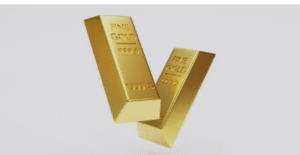 New Zealand bullion typically refers to precious metals — most commonly gold and silver — that are refined, stamped, and sold for investment purposes. These bullion products are often produced in the form of bars or coins and are valued based on their weight and the current spot price of the metal. In New Zealand, bullion is available through a network of reputable dealers and refineries, many of which are well-established and subject to strong regulatory oversight.
Unlike collectibles or numismatic coins, bullion is valued primarily for its metal content rather than its rarity or artistic design. It makes bullion a more straightforward and reliable investment option for individuals seeking to hedge against inflation or currency volatility.
Why Investors Choose Bullion in New Zealand
There are several compelling reasons why investors continue to turn to New Zealand bullion as a cornerstone of their portfolios:
Economic Stability and Transparency
New Zealand is renowned for its robust financial infrastructure, low levels of corruption, and transparent market regulations. These create a reliable environment for bullion transactions, ensuring that buyers and sellers can trust in the quality and authenticity of their investments.
High-Quality Refining and Purity Standards
New Zealand’s leading bullion providers offer products that meet or exceed international purity standards — typically .999 or higher. Gold and silver bullion from New Zealand is often internationally recognised, making it easier for investors to trade or liquidate assets globally if needed.
Safe Haven Asset
Gold and silver act as haven assets during economic uncertainty or market volatility. New Zealand bullion gives investors the opportunity to hold a physical store of value, which tends to remain resilient even when other asset classes underperform.
Physical vs. Digital Bullion: A Modern Choice
Traditionally, bullion investment meant purchasing physical gold or silver bars and securing them in a vault or safe. While this method still appeals to many investors, recent innovations have introduced digital alternatives. Digital or allocated bullion enables investors to own fractional shares of physical metal, which are stored securely in professional vaults.
This evolution in bullion investing has been embraced in New Zealand, with several local platforms offering digital ownership options. These services often provide the benefits of easy liquidity, lower storage fees, and seamless buying and selling—all while maintaining the security of physically backed bullion.
The Role of Bullion in a Diversified Portfolio
Financial advisors in New Zealand frequently recommend allocating a portion of one’s investment portfolio to precious metals. The reasoning is straightforward: New Zealand bullion offers a counterbalance to more volatile or interest-sensitive assets, such as equities and bonds.
Gold, in particular, has consistently maintained its value over long periods, especially during periods of inflation or geopolitical unrest. Silver, while more volatile, offers additional upside potential due to its industrial applications and growing demand in technologies like solar energy and electronics.
Incorporating bullion into a diversified strategy helps mitigate risk and enhances long-term portfolio resilience.
Legal and Tax Considerations
One advantage of investing in New Zealand bullion is the relatively investor-friendly legal environment. Bullion products that meet certain criteria—such as purity levels—are generally exempt from Goods and Services Tax (GST) in New Zealand. It makes purchasing investment-grade gold and silver more affordable compared to some other countries.
However, investors should be aware of potential capital gains tax obligations when selling bullion at a profit, especially if it’s part of a larger investment portfolio. Seeking advice from a tax professional or financial advisor is always recommended before making significant purchases of bullion.
Conclusion:
New Zealand bullion represents more than just shiny metal — it’s a time-tested, secure, and globally respected asset. Whether you’re a seasoned investor seeking to diversify your holdings or a newcomer looking for stability amid market fluctuations, bullion offers a tangible way to protect and grow your wealth.
By leveraging New Zealand’s stable financial system, high-quality refining standards, and modern investment platforms, investors can navigate today’s economic uncertainties with confidence. When it comes to safeguarding your financial future, bullion remains an innovative and enduring choice.