
If you own a baler, using only high-quality twine is critical to its efficiency and longevity. Not only will it work more effectively for your machine, but it’ll also last longer!
Baler twine is a natural and recyclable material, and many communities offer recycling programs or drop-off sites for it. By keeping rivers, lakes, and streams free from twine, we can support Osprey as well as all other wildlife that depend on them!
Natural Fiber
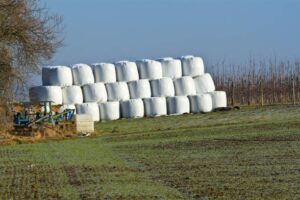 Baler twine is a type of durable string-like cord used to secure bales of straw, hay, paper products and recyclable materials. First introduced during the 19th century with automatic reaper machines’ need for something to bind grain and hay piles together, binding twine was initially done manually with wire and later evolved into baler twine when automated balers utilised twine as knotters, when automatic balers first utilised baler twine instead as its knotter it became commonly known by this name.
Plastic twine has become the go-to material for baler twine today, as its many benefits over natural twine such as longer lifespan and weather resistance make them the go-to material for baler twine production.
CWC provides both natural and synthetic baler twine, including our top-grade sisal baling twine. Made of long agave sisalana fibres spun together into twine form, this baler twine has been treated to resist rot, mildew, rodents and insects while working perfectly in square baler machinery while remaining biodegradable and eco-friendly.
Manmade Plastic
Baler twine, one of the many forms of agricultural plastic waste produced by farmers, often gets overlooked when making recycling commitments. While grain bags typically collect in massive piles in barnyards or discarded bale wrap and silage bags can accumulate under tractors, Baler twine tends to gather in smaller bunches that seem harmless until they take over an innocuous corner of a shed or wrap themselves around farm equipment axles – then it becomes an issue!
Baler twine is an elastic string-like cord used to secure the contents of round or square bales, made either from natural or synthetic materials (most commonly synthetic polymers); however, individual strands of sisal may also be used.
Raw materials are combined and melted together to produce a sheet of polyoysterelene (PP), then stretched at medium temperature before being oriented and tempered to increase strength and durability. After cooling and stabilisation, anti-UV additives are added to protect it against degradation due to ultraviolet radiation.
UV-Stabilised
High-grade twine made of UV stabilised polypropylene is UV stabilised for added resistance against rot, mildew, and degradation. Furthermore, this twine features an impressive 130 lb minimum knot strength and 250 lb tensile strength making it suitable for baling hay production or binding stems from tomatoes, peppers, or grapevines.
One Lonely Farmer posted a YouTube video where Reyenvas twine was tested in his baling machinery, and found no issues when cutting or producing excellent bale density.
Manufacturing PPE involves extrusion of raw material through a machine with controlled percentages acting upon it, at medium temperatures to ensure quality and softness of twine produced, thus helping reduce friction that causes machinery wear. Once extruded, this melted PPE must then be cooled by rollers to avoid internal residual stress that might deform it.
Environmentally Friendly
Baler twine is used on hay bales because baling machines are responsible for binding these bundles of hay and straw together in round or square bundles before transporting them for storage. Once completed, these bales will then be moved.
At well-run boarding stables or horse farms, baling twine must be removed as soon as it has been unwound from a bale and disposed of promptly to ensure horses don’t swallow it and become entangled in it – both potential safety risks.
Be mindful that the type of baler twine you select is eco-friendly. Natural sisal twine is treated to resist rot and mildew growth and solar degrades after 3 months in direct sunlight, making it a good option for those trying to reduce their carbon footprint.

 One of the keys to creating a
 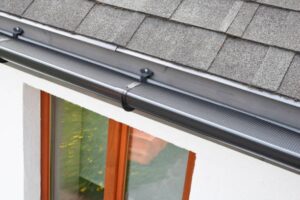 However, some types of gutter protection systems can be ineffective in South Australia due to climate and vegetation. For example, some forms of gutter mesh are ineffective in preventing the build-up of leaves and twigs. As a result, they can clog during heavy rain, leading to the overflow of water and other debris.
 The
The  In general, they are not allowed to be rented to anyone other than a family member. In addition, they are an excellent alternative to nursing homes.
 Explore a variety of biblical passages using Logos Passage Analysis tools such as pericope, word tree, cluster graph and version river to understand their content better. No matter whether you are an experienced or novice Logos user, this webinar will prove fruitful.
 Frozen prawns are an efficient solution when time is short for meal preparation, yet they must be defrosted properly to be safe for cooking – otherwise, they could become tough or even harmful food poisoning!
 Designer Kate Arends wanted her Brooklyn kitchen to feel fresh and cozy, so she decided to do a custom kitchen upgrades Adelaide by optimising the lower cabinets for storage while concealing a lazy Susan for condiments when necessary. For added charm, she installed calacatta marble as the countertop material on top of an island and brass fixtures that complemented its colour palette.
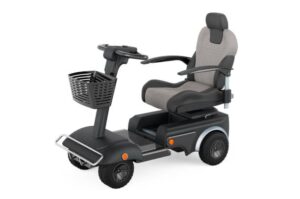 All-terrain